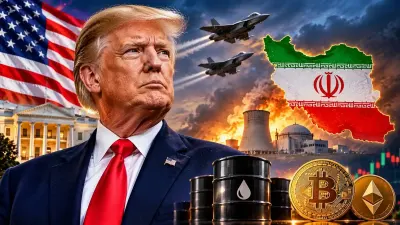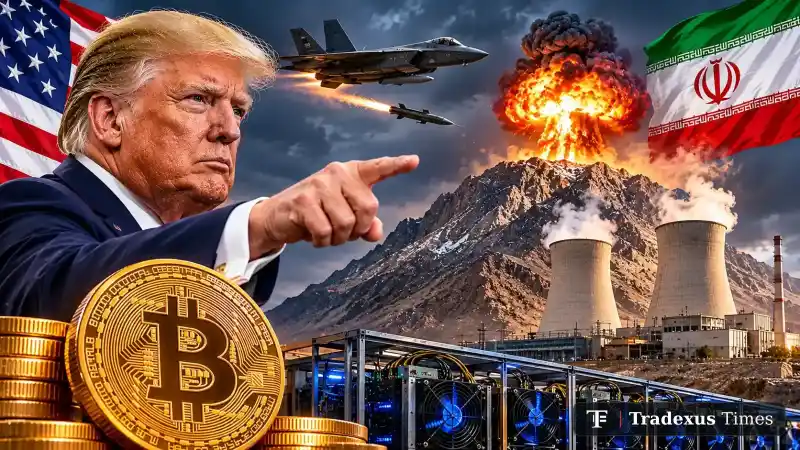
The possibility of a U.S. nuclear strike against Iran’s underground Pickaxe Mountain facility has emerged as a new concern amid escalating tensions between Washington and Tehran. Although President Donald Trump has not threatened to use nuclear weapons against the site, questions over whether conventional bombs can penetrate its exceptionally deep underground structures have fueled speculation about the military options available to the United States.
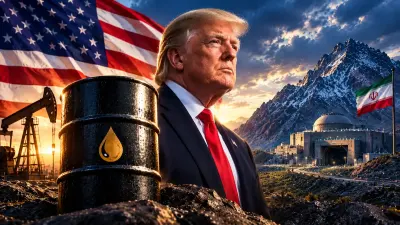
Pickaxe Mountain, also known as Kuh-e Kolang Gaz La, is a heavily fortified underground complex near Iran’s Natanz nuclear facility. Its deep underground construction and geological protection make it a particularly challenging military target. The facility’s depth has raised questions about whether conventional bunker-busting weapons could effectively destroy its underground structures.

The issue gained international attention after U.S. political commentator Tucker Carlson claimed that the Trump administration could consider a nuclear strike because conventional weapons might not be capable of reaching the facility. Carlson also alleged that Israeli Prime Minister Benjamin Netanyahu was pushing Trump toward such an option. However, these claims have not been independently verified, and there is no public confirmation that Washington is preparing or considering a nuclear operation.
Trump has repeatedly discussed the possibility of striking Pickaxe Mountain. However, discussing a potential attack on the facility does not mean that he has threatened to use nuclear weapons. In an earlier interview, Trump said he would not use nuclear weapons against Iran because he considered them unnecessary. The possibility of a conventional strike and speculation about an extreme nuclear option must therefore be treated as two separate scenarios.
The facility’s depth could complicate any military operation. If conventional weapons cannot reach or sufficiently damage its underground structures, Washington could face a difficult choice between accepting limited results, conducting repeated strikes or considering other military options. A nuclear weapon would represent an extraordinary escalation, with potentially catastrophic humanitarian, environmental and geopolitical consequences.
The financial impact of a wider conflict could extend far beyond Iran’s nuclear facilities. Any attack that expands toward power plants, electricity transmission networks or energy infrastructure could disrupt industrial activity and increase pressure on the country's electricity system. Such damage could also affect cryptocurrency mining operations, which have historically benefited from Iran’s heavily subsidized electricity.
For Bitcoin miners operating in Iran, prolonged electricity disruptions could force mining facilities to shut down and disconnect thousands of machines. The loss of access to inexpensive power would weaken the economics of mining operations and could further reduce Iran’s contribution to global Bitcoin production.
However, the impact on Bitcoin’s worldwide mining network should be viewed in perspective. Recent estimates have placed Iran’s share of global Bitcoin mining capacity below 1%, meaning that even a substantial shutdown of Iranian operations would not be expected to threaten the functioning of the Bitcoin network itself. The greater risk would come from the broader financial consequences of military escalation.
Oil markets could face a much larger shock if the conflict spreads to regional energy facilities or threatens shipping through the Strait of Hormuz. A prolonged disruption could push crude prices higher, intensify inflationary pressure and create uncertainty across global financial markets. Bitcoin could initially come under pressure as investors reduce exposure to risk-sensitive assets, even if the disruption to Iranian mining has only a limited direct effect on the network.
The key question is whether Trump chooses to pursue another conventional strike against Pickaxe Mountain and whether the depth of the facility limits the effectiveness of available weapons. While a nuclear attack remains an unverified and extreme scenario, the possibility of further strikes against Iran’s infrastructure could create significant risks for oil markets, electricity supplies and cryptocurrency investors.