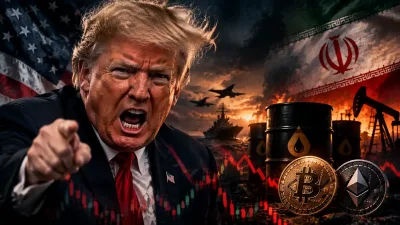
Global markets are facing renewed geopolitical uncertainty as the confrontation between the United States and Iran raises the prospect of further military escalation. Brent crude has reportedly reached $112 per barrel, intensifying concerns about global energy supplies, inflation and the outlook for financial markets. At the center of the growing tension is President Donald Trump’s warning that the United States may target Iran’s deeply buried nuclear infrastructure, alongside reports that the use of the powerful GBU-43/B Massive Ordnance Air Blast bomb, known as the “Mother of All Bombs,” is among the military options being considered.
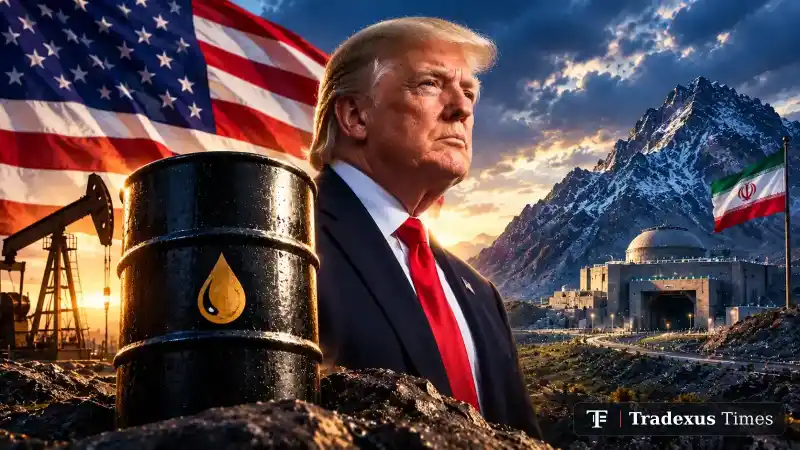
Trump has indicated that Washington may need to strike Pickaxe Mountain, also known as Kuh-e Kolang Gaz La, an underground facility associated with Iran’s nuclear program near Natanz. The facility’s location beneath a mountain presents a significant military challenge, raising questions about which conventional weapons could damage its underground infrastructure. However, a threat to attack a facility should not be interpreted as confirmation that a strike has been authorized or carried out.

The potential use of the GBU-43/B has added another dimension to the crisis. The massive conventional bomb is designed to deliver an enormous blast, but its destructive power does not automatically mean it can penetrate deeply buried, hardened nuclear installations. Even if a strike caused extensive damage to the surrounding area, the extent of its impact on underground facilities would depend on their construction, depth and protective structure. An attack could therefore intensify the conflict without necessarily eliminating the targeted nuclear infrastructure.
The military buildup surrounding Iran is adding to market anxiety. The reported deployment of additional aircraft carriers, warships, amphibious forces, Marines and aerial refueling aircraft has reinforced concerns that Washington is preparing for a range of possible military operations. Such deployments can provide options for deterrence, protecting shipping and conducting strikes, but their presence alone does not establish that a broader offensive or ground invasion is imminent.
For oil markets, the most immediate concern is the security of energy production and transportation across the Middle East. The Strait of Hormuz is particularly important because a substantial share of internationally traded oil passes through this narrow waterway. Any sustained disruption to shipping, damage to export infrastructure or restrictions on regional energy flows could tighten global supplies and push crude prices higher.
If Brent remains around $112 or moves further upward, the consequences could extend far beyond the energy sector. Higher oil prices can increase gasoline costs, freight charges, manufacturing expenses and the price of transporting goods. Businesses may pass some of these costs to consumers, adding to inflationary pressure at a time when policymakers are attempting to keep price growth under control. If energy prices remain elevated, the Federal Reserve could face greater difficulty justifying interest-rate cuts, particularly if inflation expectations begin to rise again.
This creates a difficult combination for financial markets: slower economic growth alongside renewed inflation risks. Investors may become less willing to take risks if they believe the conflict will persist, energy costs will remain elevated and borrowing conditions will stay restrictive. Equities could face additional pressure, while the US dollar and government bonds may respond to changing expectations for inflation, interest rates and demand for perceived safe-haven assets.
Cryptocurrencies would face competing forces. In the immediate aftermath of a major military escalation, investors could reduce exposure to volatile assets, potentially putting Bitcoin and altcoins under pressure. Rising oil prices could reinforce inflation concerns, push bond yields higher and strengthen the dollar, creating additional headwinds for digital assets. Under these conditions, altcoins could be particularly vulnerable because they often experience larger price swings when liquidity weakens and traders reduce risk.
However, the longer-term relationship between geopolitical tensions, inflation and cryptocurrencies is less straightforward. Some investors may view Bitcoin as an alternative asset amid concerns about government debt, currency purchasing power or financial instability. That interest does not guarantee a rally, especially during an acute market shock when investors may prioritize liquidity and capital preservation. Bitcoin’s response will depend on whether risk aversion, dollar strength and tighter financial conditions outweigh demand for alternative assets.
The reaction across oil, equities, bonds and cryptocurrencies will help reveal how markets interpret the crisis. A continued rise in crude accompanied by falling equity prices and a broad cryptocurrency sell-off would suggest that investors are prioritizing immediate protection against geopolitical and economic risks. If oil stabilizes and Bitcoin holds its ground, markets may be signaling that they expect the disruption to remain limited rather than develop into a prolonged energy crisis.
The next phase depends on whether Washington moves from threats and military planning to an actual strike, how Tehran responds, and whether regional energy infrastructure and shipping routes remain operational. An attack on Pickaxe Mountain could increase uncertainty over the effectiveness of conventional weapons against deeply buried nuclear facilities while raising the possibility of retaliation. Conversely, a diplomatic breakthrough or signs that energy shipments are continuing without major disruption could ease some of the geopolitical premium in oil prices.
For investors, the critical issue is whether the confrontation produces lasting damage to energy supplies and tighter financial conditions. If Brent sustains its move around $112 amid genuine supply disruptions, inflation concerns could intensify, complicating the Federal Reserve’s policy decisions and increasing volatility across cryptocurrency markets. If the military threats do not translate into further disruption, oil could retreat and risk-sensitive assets may recover some lost ground.
For now, the combination of escalating military risks, uncertainty surrounding Iran’s nuclear facilities and rising oil prices has placed global markets on alert. The direction of both crude oil and cryptocurrencies will depend less on dramatic headlines alone than on what happens next: whether military action occurs, whether energy flows are interrupted, and how investors reassess the risks to inflation, liquidity and global economic growth.