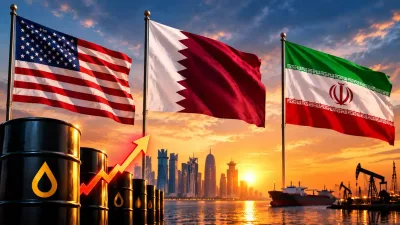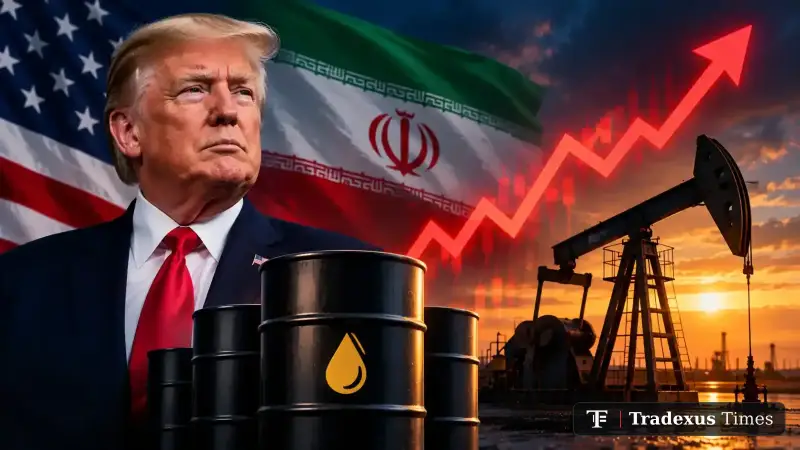
Oil prices surged toward $118 per barrel as uncertainty over the Iran conflict and the possibility of renewed military operations after the US midterm elections intensified concerns about global energy supplies. Brent crude's December contract reached $117.62 on Friday, October 30, while US West Texas Intermediate climbed to around $104. The rise reflects growing fears that another phase of the conflict could threaten energy infrastructure and disrupt oil transportation across the Middle East.
At the same time, US President Donald Trump said in his latest remarks that he believes the war with Iran will end soon. Speaking in a radio interview on Friday, Trump offered no detailed timeline or clear explanation of how the conflict would come to an end, but reiterated that the United States wants guarantees that Iran will never obtain a nuclear weapon. His comments have created a contrast between the prospect of a near-term end to the war and growing concerns about a possible new military escalation after the November 3 midterm elections.

Reports indicate that US and Israeli military planners have been preparing for the possibility of renewed strikes against Iran after the elections. The reported scenarios include a short but intense military campaign targeting Iranian energy infrastructure and strategic facilities. Some reports have also raised the possibility of attacks against refineries, electricity-generation facilities, missile-related sites and military bases. Claims that the proposed target list specifically includes Iranian missile cities and that the operation could involve ten days of continuous bombing have not been independently confirmed. There is also no confirmed evidence that Trump personally delivered the exact target list described in these claims to Israeli officials.
The available reporting presents different accounts of the possible scope of such an operation. While reports describe preparations for renewed attacks against energy, infrastructure and nuclear targets, other reporting has cited an Israeli source saying that civilian infrastructure, including power plants, was not part of the plans being discussed. Trump has not publicly announced a final decision on launching another operation, and the timing and scope of any potential strikes remain uncertain.
The possibility of attacks on civilian infrastructure raises a fundamental question under international humanitarian law: could deliberately targeting civilian facilities amount to a war crime? Under the laws of armed conflict, civilian objects are protected and must not be directly targeted. Electricity-generation facilities, refineries and other essential infrastructure are generally considered civilian objects unless, in the specific circumstances, they make an effective contribution to military action and their destruction offers a definite military advantage.
Even when a facility qualifies as a military objective, an attack is not automatically lawful. The principles of distinction, proportionality and precaution must still be respected. An operation is prohibited if the expected civilian harm would be excessive in relation to the concrete and direct military advantage anticipated. Deliberately directing attacks against civilian objects that do not qualify as military objectives can constitute a war crime. The legal classification depends on the nature of each target, the purpose of the attack and its expected consequences for civilians.
The potential humanitarian consequences could be extensive. Destroying power stations or refineries could disrupt electricity, fuel supplies, water distribution, hospitals, transportation and other essential services. The impact would not necessarily be limited to the immediate area of an attack, as damage to interconnected infrastructure can affect millions of civilians. Military bases and facilities directly involved in military operations are assessed differently under international law, but their proximity to civilian areas does not remove the obligation to protect civilians.
For energy markets, the risk of another round of strikes is already contributing to volatility. Any damage to Iranian energy infrastructure, disruption around the Strait of Hormuz or retaliation against regional oil facilities could further tighten supply expectations and push prices higher. The latest rise toward $118 demonstrates how quickly geopolitical developments can feed into global energy costs.
The situation therefore presents two competing signals: Trump's public expectation that the war could end soon, and reports that the United States and Israel are preparing for the possibility of renewed military operations after the midterm elections. Until a clear diplomatic agreement emerges and the threat of further escalation recedes, oil markets are likely to remain highly sensitive to developments. The central question is whether the conflict is approaching a genuine conclusion or whether the post-election period could bring another intense phase of fighting — with potentially serious consequences for civilians, regional stability and global energy markets.