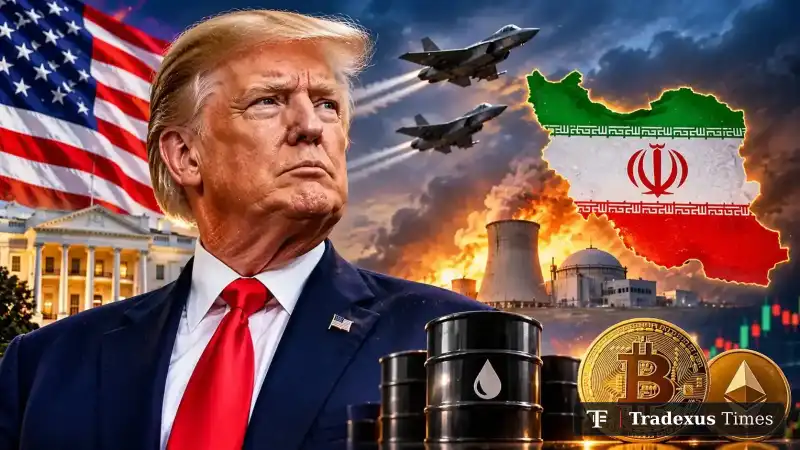
With the U.S. midterm elections scheduled for November 3, reports of a possible new military campaign against Iran are raising concerns across global financial markets. According to reports citing regional officials, Washington has warned several Gulf countries to prepare for potential U.S. strikes as early as November 4, just one day after the elections. The reported targets could include Iran’s nuclear facilities, energy infrastructure, and missile capabilities.
One location drawing particular attention is Pickaxe Mountain, also known as Kuh-e Kolang, a heavily fortified underground nuclear site near Iran’s Natanz complex. Previous reports have indicated that U.S. and Israeli military planners have considered the facility among potential targets. However, a strike has not been officially confirmed, and President Donald Trump has not announced a final decision to authorize another operation.

Recent developments also suggest that the timing and scale of any potential attack remain uncertain. While Israeli Prime Minister Benjamin Netanyahu is reportedly pushing for military action immediately after the elections, Trump has expressed a preference for allowing negotiations with Tehran to continue. U.S. officials have also warned regional allies to prepare for possible Iranian retaliation, particularly against energy facilities and critical infrastructure.
For oil markets, the biggest risk is a broader escalation across the Persian Gulf. Even if direct attacks on Iran’s oil infrastructure are avoided, retaliation against regional energy facilities or disruptions to shipping through the Strait of Hormuz could threaten global supply. Such a scenario could push crude prices higher as traders price in a geopolitical risk premium. The scale of any price increase would depend on the targets, the duration of the conflict, and whether oil exports and tanker traffic are disrupted.
Cryptocurrency markets could also face significant volatility. A sudden military escalation would likely increase uncertainty and encourage investors to reduce exposure to risk-sensitive assets. Bitcoin could initially come under selling pressure alongside equities, while smaller altcoins could experience sharper declines because of their higher volatility and lower liquidity. However, if the conflict triggers a sustained surge in oil prices and inflation concerns, expectations for interest-rate cuts could weaken, creating an additional headwind for crypto markets.
For now, November 4 is emerging as a key date for financial markets to watch, but it should not be treated as a confirmed attack deadline. Investors will be monitoring developments in U.S.-Iran negotiations, military movements in the region, oil prices, and the security of shipping routes. Whether tensions lead to renewed military action or another diplomatic effort could shape the direction of energy and cryptocurrency markets in the days ahead.