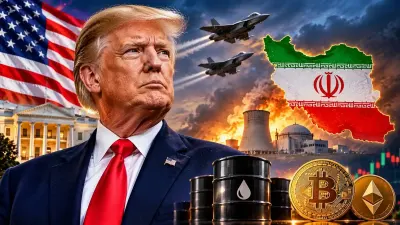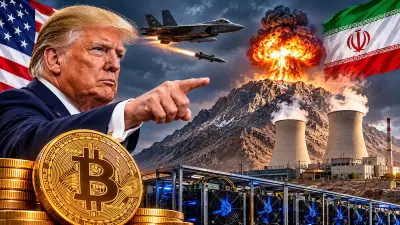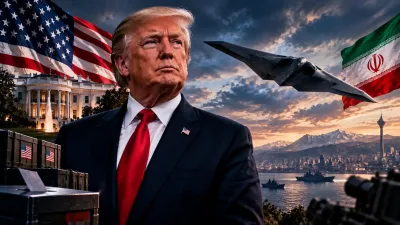
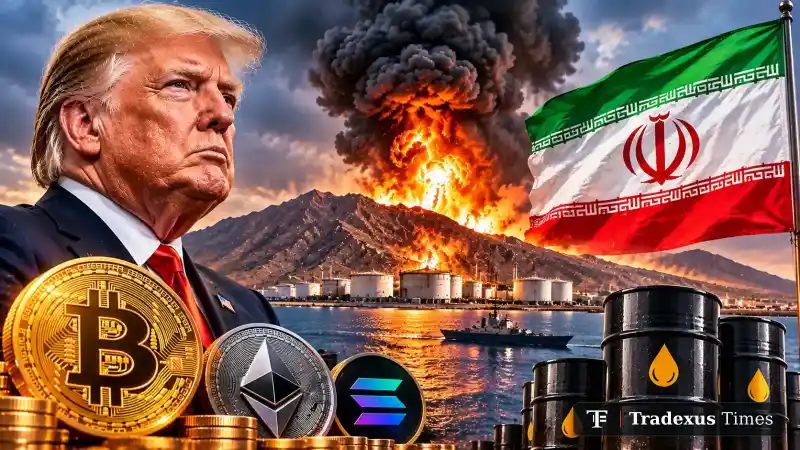
The United States has confirmed carrying out limited military strikes against targets on Iran’s Qeshm Island near the strategically important Strait of Hormuz on Monday, November 2. U.S. officials described the operation as defensive, claiming it was intended to neutralize threats from Iranian forces using surface-to-air missiles against American military assets.
According to U.S. officials, the strikes followed an incident involving an Iranian attempt to target an American aircraft. Washington has characterized the operation as limited in scope, but the attack marks another escalation in an already tense confrontation between the two countries.

The location of the strikes makes the development particularly significant for global energy markets. Qeshm Island sits near the Strait of Hormuz, one of the world's most important oil shipping routes. Any disruption to maritime traffic through the waterway could threaten global energy supplies and push crude prices higher.
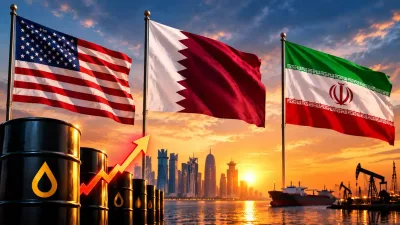
Oil markets have already shown signs of renewed sensitivity to geopolitical risks. Brent crude climbed to approximately $105.25 per barrel, while U.S. West Texas Intermediate reached around $96.93 in early Tuesday trading. Although the initial gains were relatively modest, a broader military confrontation or restrictions on tanker movements could trigger a much stronger rally in energy prices.
The impact could extend beyond oil markets. Bitcoin and other cryptocurrencies may face increased selling pressure if investors shift toward safer assets amid growing geopolitical uncertainty. Smaller altcoins could be particularly vulnerable because of their higher volatility. Meanwhile, a sustained increase in oil prices could intensify inflation concerns and reduce expectations for interest-rate cuts, creating additional pressure on digital assets.
However, the market reaction will largely depend on what happens next. If the confrontation remains limited and shipping through the Strait of Hormuz continues normally, the initial uncertainty could gradually ease. A wider conflict, particularly one affecting regional energy infrastructure or maritime transportation, could create a much more serious shock for both oil and cryptocurrency markets.
Investors are now facing two critical questions: Will Iran respond with further military action, and could the latest strikes threaten the security of the Strait of Hormuz? The answers may determine whether markets experience a temporary geopolitical shock or enter a prolonged period of volatility.