Qatar has reportedly delivered a new peace proposal to Iran aimed at ending the ongoing US-Israel war, raising hopes for a diplomatic breakthrough as tensions threaten global energy supplies. However, major disagreements remain, and the proposal’s full text has not been made public.
The draft was delivered on Sunday as mediators sought to prevent another wave of military strikes. Key issues reportedly include reopening the Strait of Hormuz, ending military operations, easing US sanctions, releasing frozen Iranian assets, and addressing Iran’s nuclear program. Tehran has also called for an end to the war in Lebanon and the withdrawal of Israeli forces from southern Lebanese territory.

Several obstacles could complicate negotiations. US President Donald Trump has warned Iran against delaying an agreement until after the November 3 midterm elections. Meanwhile, Iran has threatened US bases if tensions surrounding shipping through the Strait of Hormuz continue. Israeli Prime Minister Benjamin Netanyahu has also described the current situation as an opportunity to address what he considers the Iranian threat.
Iran has not officially accepted or rejected the proposal and is expected to respond by the end of the week. Whether the negotiations progress will depend on the parties’ willingness to resolve disputes over security, sanctions, shipping access, and the nuclear issue.
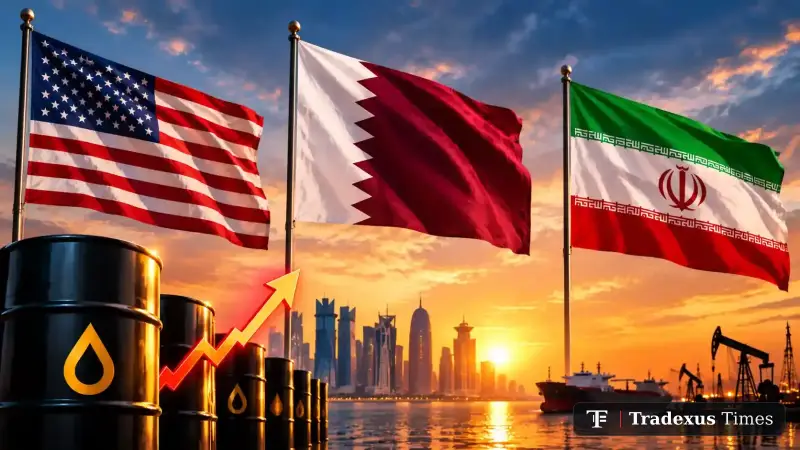
The economic stakes are significant. Brent crude has reportedly climbed above $115 per barrel, reflecting concerns over the conflict and the risk of disruption to a critical global oil route. Prolonged uncertainty could keep energy costs elevated and add to inflationary pressures, complicating the outlook for central banks and financial markets.
Bitcoin, trading around $81,230 at the time referenced in the original report, could also face increased volatility. Higher oil prices and renewed inflation concerns may weigh on risk assets if investors anticipate tighter monetary policy. Conversely, credible progress toward a ceasefire and the reopening of the Strait of Hormuz could ease some geopolitical pressure on markets.
For now, the proposed agreement remains a diplomatic effort rather than a confirmed breakthrough. The next signals to watch are Iran’s response, developments around the Strait of Hormuz, and any concrete changes in military activity.