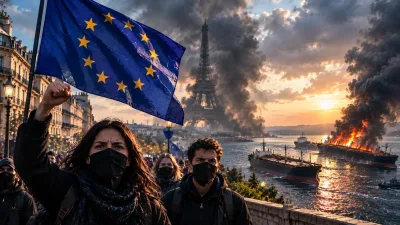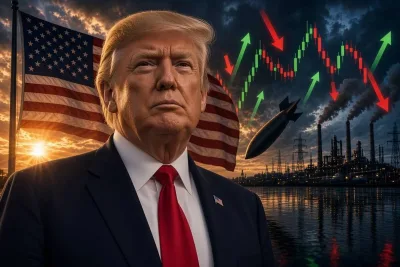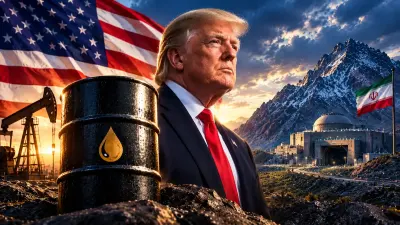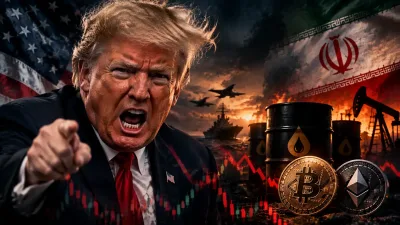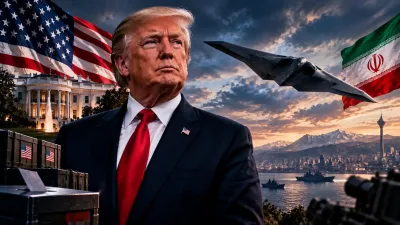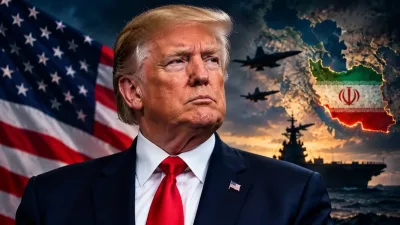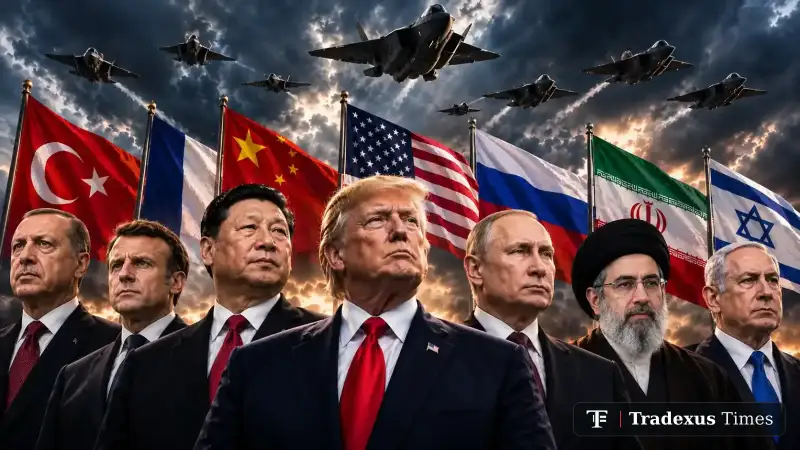
The escalating conflict in the Middle East is raising a critical question for governments, investors and the global public: could the war develop into World War III? As tensions involving Iran, Israel and the United States continue to threaten regional stability, the danger lies not only in the fighting itself, but in the possibility that additional countries could become directly involved.
A wider global war is not inevitable. However, the combination of military escalation, attacks on commercial shipping, competing security alliances and growing economic pressure creates several pathways through which a regional conflict could become a much broader international crisis.

One of the most dangerous scenarios would involve a significant expansion of direct military operations. Further attacks on US forces or regional partners could trigger retaliation, drawing additional countries into the conflict. If fighting spreads across the Persian Gulf, Iraq, Lebanon and the Red Sea, the number of potential flashpoints would increase. The risk would rise further if other major powers became directly involved rather than limiting their roles to diplomacy, economic support or military assistance.
The Strait of Hormuz is another critical pressure point. This narrow waterway is essential to global energy trade, and prolonged disruption could affect oil shipments, shipping insurance and transportation costs worldwide. October has already seen an unprecedented number of reported attacks on commercial vessels in the strait and surrounding waters. Any further deterioration could intensify the energy shock and place additional pressure on countries dependent on imported fuel.
The second major consequence would be higher energy prices and renewed inflation. If oil and gas supplies were disrupted for an extended period, businesses would face higher production and transportation costs. Airlines, manufacturers, logistics companies and households could all feel the impact. Central banks might then face a difficult choice between maintaining restrictive interest rates to contain inflation and easing policy to support weakening economic growth.
Third, financial markets could experience heightened volatility. Investors often become more cautious during major geopolitical crises, potentially increasing demand for traditional safe-haven assets while putting pressure on risk-sensitive investments. Stocks, cryptocurrencies and emerging-market currencies could face sharp swings as traders react to military developments, energy prices and changes in monetary policy. These reactions would not be uniform, and market performance would depend on the scale and duration of the disruption.
Fourth, the conflict could reshape international alliances and military priorities. Countries in Europe, Asia and the Middle East may reassess defense spending, energy security and their relationships with major powers. Diplomatic divisions could deepen, while cyber operations, sanctions and restrictions on trade could expand beyond the immediate conflict zone. Such developments could create a prolonged period of geopolitical instability even without a formally declared world war.
Fifth, the humanitarian and supply-chain consequences could become increasingly severe. Further destruction of infrastructure, displacement of civilians and restrictions on transport routes could disrupt food, medicine and essential goods. Countries with limited financial resources would be particularly vulnerable to higher import costs, while prolonged instability could delay investment and weaken economic growth across multiple regions.
What would turn this crisis into a genuine world-war scenario? The decisive indicators would include sustained direct combat between several major powers, the opening of multiple interconnected military fronts, broader mobilization of armed forces and the collapse of diplomatic channels capable of containing the fighting. A regional conflict involving powerful states does not automatically meet that threshold.
For now, the most immediate concern is the possibility of renewed escalation and its economic consequences. Diplomatic efforts, limits on military objectives and agreements protecting commercial shipping could help prevent the conflict from widening. Conversely, attacks on additional countries, major energy infrastructure or international shipping routes could make containment significantly more difficult.
The Middle East war could become a catalyst for a much larger international confrontation, but World War III is not a predetermined outcome. The coming developments will depend on the decisions of the governments involved, the willingness of outside powers to intervene and whether diplomacy can prevent further escalation. For the global economy, however, the consequences are already serious enough to demand close attention.