
Starknet’s community has backed a non-binding poll supporting research into the possibility of moving away from Ethereum toward an independent, post-quantum Layer 1 blockchain. The proposal remains at the research stage, with STRK continuing to operate within the existing ecosystem and bridges remaining open. A whitepaper is expected to outline the next phase of the initiative.
The poll signals interest in exploring a potentially significant change to Starknet’s long-term technical direction, but it does not constitute a formal decision to leave Ethereum. Its non-binding nature means further research and technical documentation will be necessary before the proposal’s feasibility, implementation requirements and broader consequences become clear.

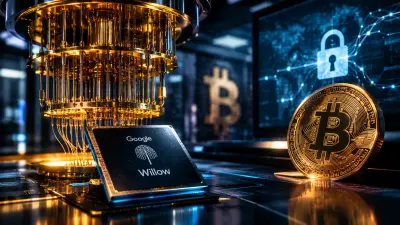
The central issue is post-quantum security. Advances in quantum computing could eventually challenge some cryptographic systems used across blockchain networks. Research into quantum-resistant infrastructure is intended to address that longer-term risk, although the precise security architecture and migration requirements for the proposed Starknet network have not yet been established by the information available.
An independent Layer 1 would represent a more fundamental structural change than improving Starknet while maintaining its existing relationship with Ethereum. Such a move could give the network greater control over its underlying architecture and security assumptions, but it would also raise questions about how the new chain would maintain compatibility, liquidity access and continuity for users and applications.
For Ethereum, the possibility is relevant because Starknet has operated within its broader scaling ecosystem. A transition to an independent network could change that relationship, depending on the design ultimately proposed. However, the poll alone does not establish that Ethereum will lose activity, liquidity or developer participation, and no such effects can be concluded before the technical plan is defined.
STRK’s continued presence in the existing ecosystem and the fact that bridges remain open are important near-term distinctions. They indicate that the research proposal has not, on the information provided, translated into an immediate operational separation. The current status should therefore be distinguished from any future decision to launch an independent chain or alter the token’s role.
The next major development is the expected whitepaper. Its contents should help clarify the proposed post-quantum architecture, the rationale for an independent Layer 1, the relationship between the new network and Ethereum, and any potential changes to STRK or cross-chain connectivity. Until those details emerge, the proposal is best understood as an exploratory initiative rather than a confirmed migration.
For market participants, the key question is whether the research develops into a technically defined and actionable roadmap. A clear implementation plan could make the proposal more relevant to assessments of Starknet’s long-term positioning, while unresolved questions around security, interoperability and execution would leave the potential impact uncertain.