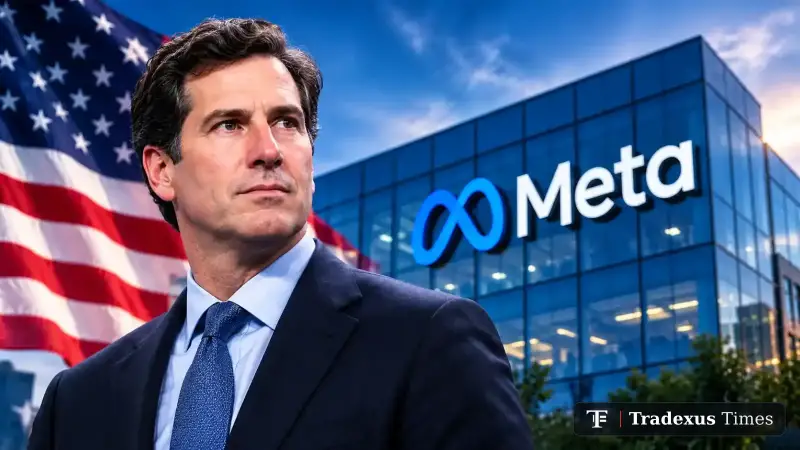
Meta is preparing for a leadership transition in its global affairs operation, with Chief Global Affairs Officer Joel Kaplan expected to leave the company in 2027 after more than 15 years. President and Vice Chairman Dina Powell McCormick will take on additional responsibility for external affairs, placing the change at the center of Meta’s efforts to manage government relationships and regulatory scrutiny.
The timing is significant. Kaplan is expected to remain through the November 3 US midterm elections before departing next year, giving the company a period to manage the handover during a politically sensitive stretch. His departure marks a change in leadership for a function that has become increasingly important as Meta navigates debates over content moderation, artificial intelligence, online safety and the company’s influence in communities where it operates.
Kaplan became Meta’s top policy executive in January 2025. Before joining the company, he served as deputy chief of staff for policy under former US President George W. Bush and built a career as a Republican political strategist. At Meta, he became a central figure in the company’s engagement with policymakers, including during its shift toward closer relations with the Trump administration.
That period also coincided with major changes in Meta’s US policies. The company rolled back parts of its fact-checking approach and ended certain diversity initiatives as it sought to reshape its relationship with the new administration. These developments placed its policy leadership under greater attention, although Kaplan’s planned departure alone does not establish that Meta intends to reverse or extend any particular policy.
Powell McCormick’s expanded role brings her government and financial-sector experience further into Meta’s external affairs strategy. She previously served in the first Trump administration as deputy national security adviser and held senior positions in the George W. Bush administration before moving into global finance. Meta appointed her president and vice chairman in January 2026, and she has also been involved in the company’s broader strategic and AI infrastructure priorities.
The transition comes as Meta and other major technology companies face growing questions about the implications of artificial intelligence, including safety risks and the effects of large-scale technology infrastructure on local communities. President Donald Trump has recently said that technology executives, including Meta CEO Mark Zuckerberg, had agreed to establish voluntary AI standards. The development adds another policy issue for Meta’s leadership to navigate as the company continues expanding its AI operations.
For Meta, the challenge will be maintaining continuity in government engagement while responsibilities shift among senior executives. Kaplan’s long tenure gives him substantial institutional experience, while Powell McCormick’s broader portfolio could bring external affairs into closer alignment with the company’s overall strategy. The practical impact will depend on how Meta distributes policy responsibilities and responds to regulatory and political developments after the transition.
Kaplan’s planned exit is therefore more than a personnel change: it arrives as Meta faces overlapping questions about AI governance, platform policies and its relationship with US political leaders. Investors and industry observers will be watching for further details on the transition and any changes in the company’s approach to public policy. For now, Meta has announced an expanded role for Powell McCormick, but the longer-term implications for its policy direction remain uncertain.

 Bitcoin