The Reserve Bank of New Zealand is signaling a strong possibility of another interest rate increase in December, as policymakers remain focused on bringing inflation back to target. Governor Anna Breman said the chances of a December hike were “high,” while emphasizing that the final decision will depend on incoming economic data and the inflation outlook.
The comments follow the central bank’s decision to keep the official cash rate unchanged at 2.75% at its latest policy meeting, a move that surprised financial markets. Despite holding rates steady, policymakers indicated that further increases were likely, reinforcing expectations that monetary policy could tighten again before the end of the year.

Breman said the committee broadly expects additional rate increases, although the timing remains uncertain. The central bank intends to assess how economic conditions and inflation evolve before deciding on its next move. She also stressed that the institution would remain calm and focused on its mandate, even as uncertainty continues to affect the economic outlook.
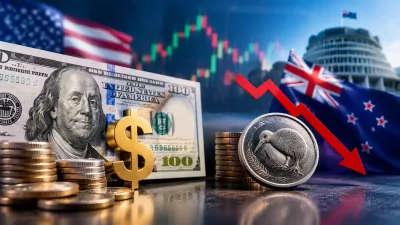
The New Zealand dollar weakened sharply following the central bank’s decision, reflecting the market reaction to the unexpected rate hold. However, expectations of a December increase have strengthened, with markets pricing in approximately a 77% probability of a hike.
A higher policy rate could help contain inflation by increasing borrowing costs and moderating household spending and business investment. At the same time, tighter monetary policy could place additional pressure on borrowers, slow economic activity, and weigh on interest-sensitive sectors.
For currency markets, the outlook will depend on whether incoming data confirms the possibility of further tightening. A rate increase could support the New Zealand dollar if it exceeds market expectations, while a delay or more cautious outlook could put renewed pressure on the currency.
The central bank now faces the challenge of balancing persistent inflation risks against the potential economic costs of higher borrowing rates. Its December decision will likely depend on the strength of inflation, domestic demand, and other indicators released before the next meeting.