Bitcoin
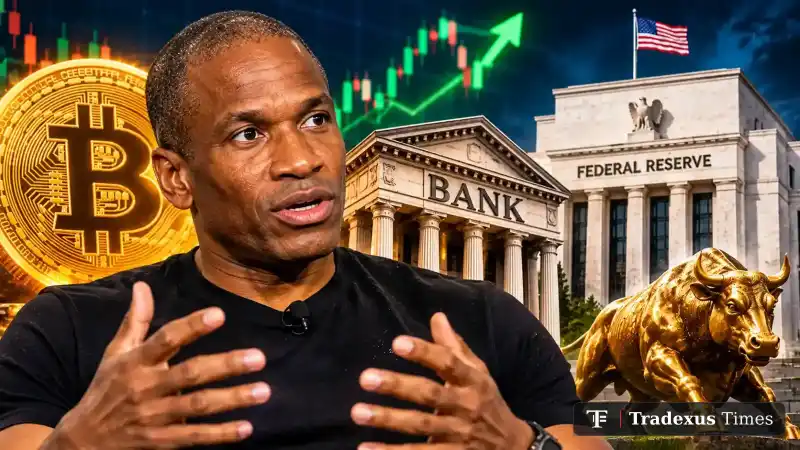
Bitcoin’s next major rally may depend on more than Federal Reserve interest-rate decisions. Arthur Hayes, co-founder of BitMEX and chief investment officer at Maelstrom, argues that the expansion of commercial bank and central bank balance sheets could play a decisive role in determining Bitcoin’s price direction.
In a November 2 post on X, Hayes pointed to improving dollar liquidity but warned that Bitcoin could remain under pressure until either the Federal Reserve or commercial banks begin expanding their balance sheets. His argument centers on the availability of dollars across the financial system, suggesting that increased liquidity could provide the capital needed to support demand for risk assets such as Bitcoin.
Commercial banks can expand the money supply through lending. When banks issue loans, they typically create matching deposits, increasing the amount of money available for spending and investment. This process means that liquidity can increase even without direct Federal Reserve asset purchases. However, lending activity depends on factors such as credit demand, profitability, regulation, and financial stability.
The Federal Reserve provides another channel through its balance sheet. Asset purchases can inject reserves into the banking system, while movements in other accounts can offset some of that liquidity. For Hayes, the key issue is not simply whether interest rates fall, but whether the financial system is actually creating and distributing more dollars.
This view is consistent with his previous Bitcoin market commentary. Earlier in the year, Hayes linked Bitcoin's recovery prospects to renewed bank lending and Federal Reserve purchases. He also suggested that a move above $110,000 could revive demand for leveraged Bitcoin exposure through corporate treasury companies. In April, he warned that credit stress and limited money creation could restrict Bitcoin's upside, even if borrowing costs declined.
Hayes has also outlined an ambitious long-term outlook, endorsing the possibility of Bitcoin eventually reaching $1 million. He has said that he pays particular attention to Bitcoin ETF inflows, viewing institutional investment flows as an important market signal. His broader investment thesis remains closely connected to expectations of future monetary expansion.
For Bitcoin investors, the distinction between interest-rate cuts and actual liquidity growth is important. Lower rates do not automatically guarantee stronger bank lending or increased money supply. If commercial banks remain cautious and the Federal Reserve does not expand its balance sheet, Bitcoin could continue facing liquidity-related pressure. On the other hand, renewed credit creation and monetary expansion could strengthen demand for Bitcoin and other cryptocurrencies.
The next major signal for the market may therefore come from banking activity and liquidity data rather than Federal Reserve rate decisions alone. Whether banks begin expanding credit and the central bank increases monetary support could help determine when Bitcoin's next sustained rally gains momentum.