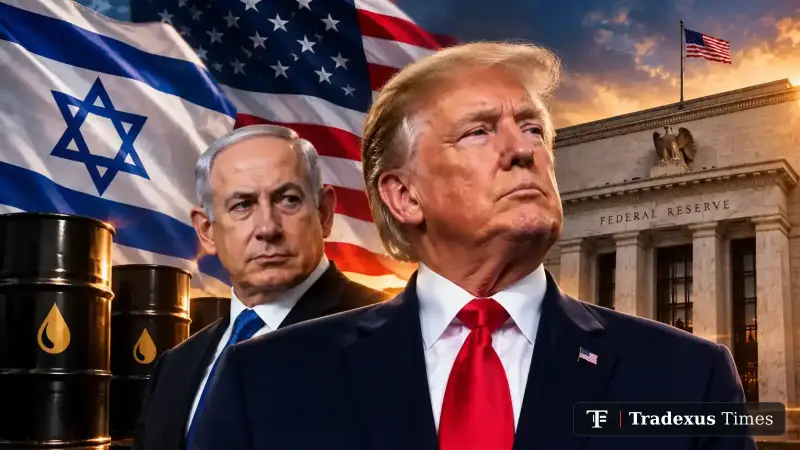
With less than 24 hours remaining before the Federal Reserve’s October policy decision, markets are bracing for a pivotal moment that could reshape sentiment across stocks, bonds and cryptocurrencies. Traders are assigning roughly a 90%–92% probability to the Fed keeping interest rates unchanged . However, with inflation still running above the central bank’s 2% target and energy prices elevated, the possibility of an unexpected rate hike cannot be completely dismissed.
The real risk may be that markets have become too comfortable with the expected outcome. If the Fed raises rates instead of holding them steady, investors could face a sharp repricing of risk. Higher borrowing costs generally strengthen the appeal of cash and yield-bearing assets while putting pressure on investments that depend heavily on liquidity and risk appetite. Such a surprise could trigger a stronger dollar, rising Treasury yields and a fresh wave of selling across equities and cryptocurrencies.

Bitcoin and the broader crypto market could be particularly vulnerable. Digital assets often benefit when financial conditions ease and liquidity becomes more accessible. An unexpected rate increase could reverse that dynamic, encouraging traders to reduce exposure to volatile assets. Bitcoin, Ethereum and other major cryptocurrencies could experience heightened volatility, while leveraged positions and speculative altcoins may face even greater downside pressure. Even if the Fed holds rates steady, a hawkish message suggesting that another increase could come in December may be enough to unsettle the market.
Energy prices are adding another layer of uncertainty. Brent crude has been trading around the $115-per-barrel level, with recent moves reflecting both diplomatic efforts and persistent security risks in the Middle East. Expensive oil can feed into transportation, manufacturing and consumer prices, complicating the Fed’s efforts to bring inflation under control. Policymakers therefore face a difficult balance: tightening policy too aggressively could hurt economic activity, while appearing too tolerant of persistent inflation could undermine their credibility.
Geopolitical developments are making the outlook even more fragile. Israel is voting in a closely watched election, with polls suggesting that Benjamin Netanyahu’s political bloc could struggle to retain its parliamentary majority. The outcome could have implications for regional policy at a time when the conflict involving Iran remains a major source of uncertainty. If political pressure contributes to a harder security stance or renewed military escalation, markets could face another surge in oil prices and a broader flight toward perceived safe-haven assets. However, there is no established evidence that Netanyahu would escalate the conflict specifically to avoid electoral defeat, and the direction of events remains uncertain.
For crypto traders, the combination of the Fed decision, oil prices near $115 and the risk of further Middle East escalation creates a potentially explosive setup. A rate hold accompanied by reassuring guidance could provide some relief to risk assets. A hawkish hold, however, could limit any recovery, while an unexpected hike could trigger a sharper sell-off. If geopolitical tensions intensify at the same time, the resulting pressure could be even greater.
The key question is no longer simply whether the Fed will keep rates unchanged. It is whether policymakers can convince markets that inflation is under control while energy prices and geopolitical risks threaten to push costs higher again. With expectations heavily tilted toward a pause, even a small deviation from the anticipated outcome could have an outsized impact. The next 24 hours could prove critical for Bitcoin and the broader financial markets.