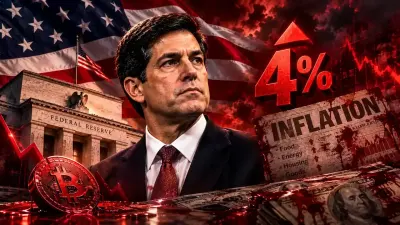
The Federal Reserve is widely expected to raise its policy rate by 25 basis points to 4% at its September meeting, making the rate increase itself less significant for markets because it has already been largely priced in. The bigger focus is likely to be on how Federal Reserve Chair Kevin Warsh frames the outlook for further rate moves.
For the dollar, the key question is whether the Fed keeps the door open to additional tightening. A more hawkish message emphasizing persistent inflation risks, elevated energy prices and the possibility of further rate increases could support the dollar by reinforcing expectations that US interest rates may remain high for longer.

A softer message would point in the opposite direction. If policymakers indicate that further increases are not currently necessary and that rates could eventually move lower, markets could increase expectations for future easing. Lower US rates would generally reduce the relative appeal of dollar-denominated assets and could put additional pressure on the currency.
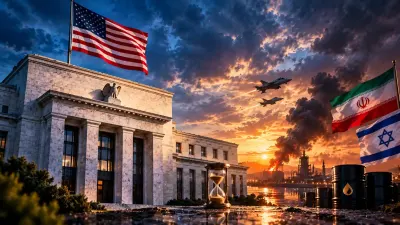
Energy prices add another layer to the policy outlook. Brent crude could approach $110, and sustained high oil prices can increase inflationary pressure. If higher energy costs translate into broader price pressures, the Fed could face a stronger case for keeping rates elevated for longer or leaving further increases under consideration.
At the same time, expensive oil and weakness in technology stocks have contributed to a more risk-averse market environment. If investor concerns intensify, demand for the dollar as a traditional safe-haven asset could provide another source of support. Markets will therefore focus not only on the 25-basis-point decision, but also on Warsh’s guidance and how the Federal Reserve addresses inflation, energy prices and the path of interest rates from here.