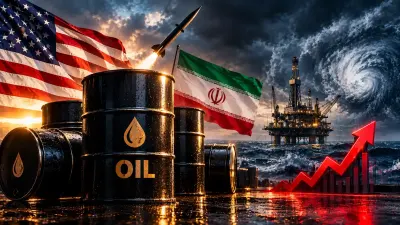
JPMorgan has said it can no longer provide a clear scenario for how the Iran war will end or how its consequences will unfold across the oil market, marking a shift from the assumptions that previously underpinned the bank’s outlook.
The bank had earlier expected higher oil prices, rising fuel costs and increased U.S. government borrowing costs to generate sufficient pressure for an agreement and the reopening of the Strait of Hormuz. However, markets have moved beyond the levels JPMorgan had anticipated, making that framework less reliable.

Natasha Kaneva, JPMorgan’s global head of commodities strategy, estimates fair value for Brent crude at around $90 per barrel. The bank also estimates that every 1 million barrels per day decline in oil supply could add approximately $4 to oil futures prices.
That estimate highlights the sensitivity of crude markets to further supply disruptions. If the reduction in available supply becomes larger or persists for longer, the resulting pressure on oil futures could increase, although the current level of inventories provides some buffer against the immediate effects of the disruption.
JPMorgan estimates that higher fuel prices since the beginning of the war have already imposed an additional $109.1 billion in costs on U.S. households. That amounts to an average of approximately $832 per household, underscoring the broader economic impact of the oil shock.
At the same time, the bank believes oil inventories can currently offset part of the supply shortage. This means the impact of disrupted supply will depend not only on the amount of oil removed from the market, but also on how long inventories can continue to absorb the shortfall.
For oil markets, the loss of a clear scenario for the conflict adds another layer of uncertainty. The relationship between supply disruptions and crude prices, combined with the available inventory buffer, will remain central to assessing the market impact.
The key factors to watch next are the duration of the supply disruption, changes in oil inventories and developments surrounding the reopening of the Strait of Hormuz. A clearer path toward an agreement could ease supply concerns, while continued disruption would keep the pressure on the oil market elevated.