XRP

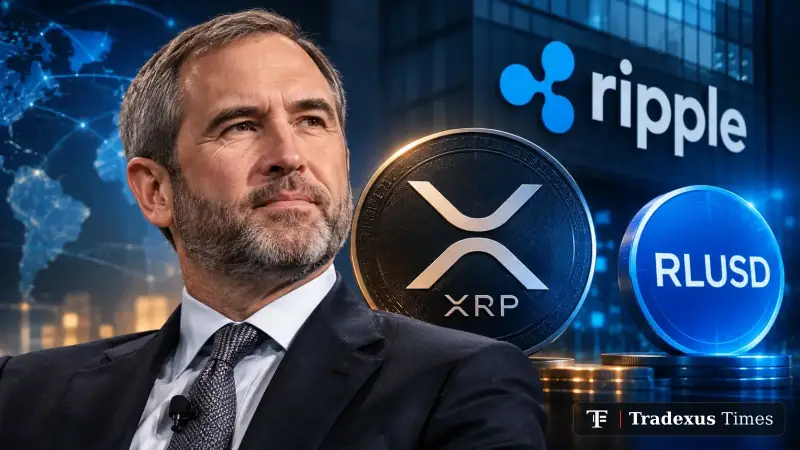
Ripple CEO Brad Garlinghouse has reaffirmed 's central position in the company's broader strategy, pushing back against speculation that the expansion of RLUSD could eventually reduce the token's relevance within Ripple's ecosystem.
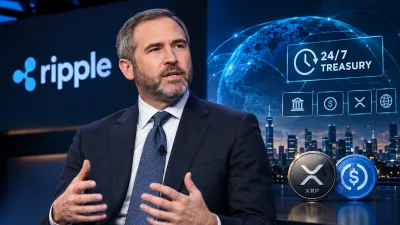
Speaking during a Ripple Swell Bloomberg Crypto report, Garlinghouse described XRP as the center of the Ripple universe, arguing that this connection is an important part of understanding the company's wider direction. His remarks directly address concerns that Ripple's development of its dollar-pegged stablecoin could signal a strategic shift away from XRP.
The distinction matters because XRP and RLUSD serve different functions within digital finance. RLUSD is designed to maintain a stable value relative to the US dollar, providing an alternative for users and businesses seeking dollar-denominated digital transactions without the price fluctuations associated with assets such as XRP.
XRP, meanwhile, remains a separate digital asset with its own market dynamics and potential applications across Ripple's broader ecosystem. The two assets therefore do not necessarily compete for the same purpose. Their coexistence could allow Ripple to support different financial requirements, including dollar-based transactions and applications involving a market-traded digital asset.
This distinction is particularly relevant as Ripple expands its product offering. The introduction and development of RLUSD broaden the range of digital assets available within its ecosystem, but that expansion does not automatically establish that XRP is becoming less important. Instead, it indicates that Ripple's strategy can accommodate multiple assets with different economic characteristics and potential use cases.
However, Garlinghouse's comments should not be interpreted as evidence that every Ripple product or service will depend on XRP. Reaffirming the token's strategic importance at the company level is different from demonstrating that individual products generate demand for the asset.
That distinction is important for XRP's market outlook. A company's commitment to a digital asset does not necessarily translate into increased buying activity, transaction demand or sustained price appreciation. Those outcomes depend on whether the asset is actively used and whether that activity creates measurable demand in the market.
For XRP, the relevant indicators remain adoption, transaction activity and liquidity. If Ripple's expanding ecosystem produces greater practical use of XRP, that would strengthen the connection between the company's commercial development and the token's demand profile. Conversely, if new services increasingly rely on alternative assets without generating meaningful XRP activity, the strategic importance described by Garlinghouse may have a more limited effect on token demand.
RLUSD introduces a separate dimension to this assessment. Its dollar stability could make it suitable for users who prioritize predictable transaction values, while XRP retains its distinct market characteristics. Rather than viewing the two assets exclusively as substitutes, market participants need to assess how their respective functions develop within Ripple's expanding financial infrastructure.
The broader question is therefore not simply whether RLUSD will replace XRP, but whether Ripple can expand its stablecoin business while maintaining and increasing practical demand for its native digital asset.
Garlinghouse's remarks reinforce Ripple's stated commitment to XRP, but the longer-term market significance will depend on measurable adoption rather than corporate messaging alone. The relationship between RLUSD's growth, XRP's actual network usage and the demand generated by Ripple's services will remain central to evaluating the token's position within the ecosystem.