XRP

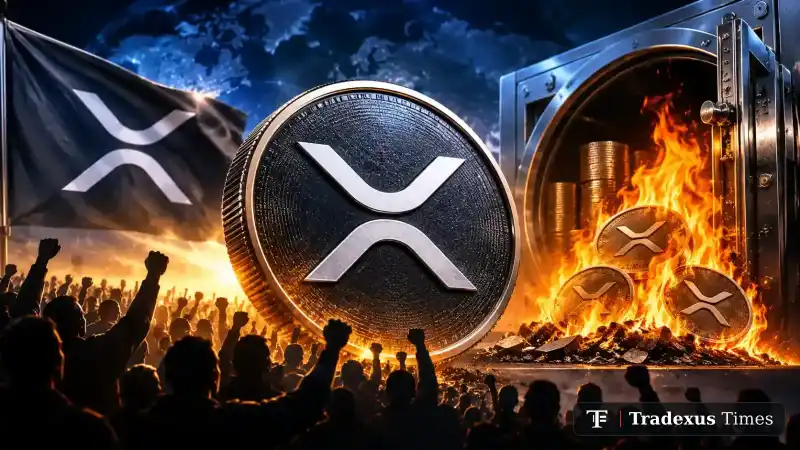
A growing campaign among holders is putting Ripple’s escrow reserves under renewed scrutiny, with a group of community members calling on CEO Brad Garlinghouse to permanently destroy 31.1 billion XRP tokens by March 31, 2027. The proposal is intended to reduce the amount of XRP controlled by Ripple and potentially ease concerns surrounding long-term supply pressure.
The initiative, promoted by a group operating under the name Make XRP Great Again, was presented in an open letter on November 16. Supporters argue that removing such a substantial quantity of tokens from the available supply could improve XRP’s supply-demand dynamics over time. Their central concern is that Ripple’s large escrow holdings and recurring token releases could create uncertainty about the asset’s long-term supply structure.
However, the proposal faces a fundamental obstacle involving control over the XRP Ledger. David Schwartz, Ripple’s former Chief Technology Officer and one of the network’s original architects, has explained that validators cannot force the company to surrender or destroy tokens held in its escrow accounts. Even support from more than 80% of validators would not give the network the authority to compel Ripple to carry out the requested burn. Validators could adopt changes to their own network rules, but participants who reject those changes would not automatically be forced to follow them.
This distinction highlights the difference between network governance and ownership of digital assets. Although validators play an important role in maintaining the XRP Ledger and approving protocol amendments, their consensus does not provide a mechanism for confiscating assets controlled by an individual entity. Consequently, the proposed burn ultimately depends on Ripple's voluntary decision rather than a validator vote.
The debate is becoming more relevant as another scheduled escrow release approaches. Ripple is expected to unlock 1 billion XRP on December 1 under its established monthly release mechanism. However, the gross amount released from escrow should not be confused with the amount entering the circulating market supply. Ripple has historically returned a substantial portion of unlocked tokens to new escrow contracts, meaning the actual net release can be considerably smaller than the scheduled amount.
For XRP holders, the central issue extends beyond whether 31.1 billion tokens should be permanently destroyed. The discussion also raises broader questions about supply transparency, Ripple's influence over its token reserves and the extent to which the company's distribution decisions affect market expectations.
A successful burn could reduce the quantity of XRP under Ripple's control, but it would not automatically guarantee higher market prices. Demand, liquidity, broader market conditions and the actual pace of token distribution would continue to influence valuation.
The next developments will largely depend on whether Ripple responds to the community's proposal and how the company handles its upcoming escrow releases. Until a formal commitment emerges, the 31.1 billion XRP burn remains a community demand rather than an approved network or corporate decision.