Bitcoin
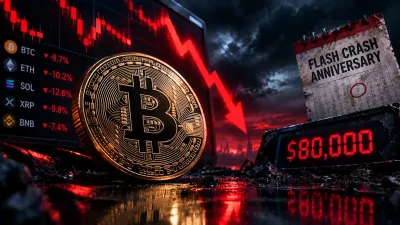
One year ago, the cryptocurrency market experienced its largest liquidation event on record, with more than $19.1 billion in leveraged positions wiped out during a sharp wave of forced selling. The event became one of the most significant reminders of how excessive leverage can accelerate market declines and amplify volatility across digital assets.
The liquidation wave exposed the risks associated with highly leveraged trading strategies, as traders faced rapid position closures during extreme market movements.The scale of the event highlighted how quickly liquidity conditions can change when market participants are positioned too aggressively.
While the 2025 liquidation event was primarily driven by leverage-related pressure, today’s Bitcoin market is influenced by a broader combination of macroeconomic and geopolitical factors. Interest rate expectations, global liquidity conditions, energy markets, and geopolitical tensions have become increasingly important elements shaping investor sentiment toward risk assets.
Current market attention is focused on how Bitcoin responds to renewed uncertainty across global markets, including developments surrounding energy prices and geopolitical tensions involving major economies. Rising oil prices or increased instability could weigh on short-term risk appetite, while improving liquidity conditions may support renewed demand for digital assets.
The anniversary of the historic liquidation event serves as a reminder that Bitcoin’s price movements are not only determined by market demand but also by positioning, liquidity, and broader financial conditions. Large leverage buildups can create vulnerability even during periods of strong market confidence.
Despite increased institutional participation and a more mature market structure compared with previous cycles, volatility remains a key factor for traders. Bitcoin’s ability to maintain stability during periods of macro uncertainty could provide insight into whether the market has developed stronger resilience compared with previous years.
Market participants are now monitoring several factors, including global risk sentiment, monetary policy expectations, liquidity conditions, and geopolitical developments. The next major market move may depend on whether investors shift back toward risk-taking or continue prioritizing defensive positioning.