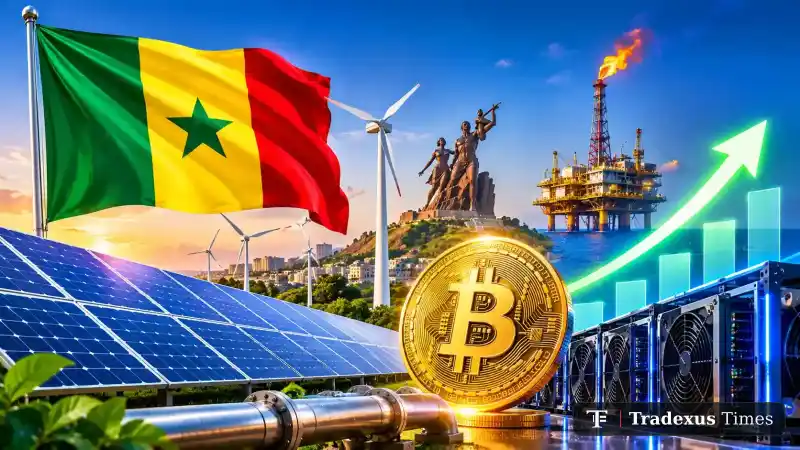
Senegal is expanding its energy strategy to reduce electricity costs and strengthen energy security through natural gas and renewable power. Under its Vision 2050 plan, the country aims to increase electricity production capacity from 1.74 GW to 12 GW by mid-century, while reducing its dependence on expensive fuel-based generation.
The shift could also create opportunities for energy-intensive industries such as Bitcoin mining. More affordable and reliable electricity is a key factor in mining profitability, although Senegal has not announced a specific Bitcoin mining initiative or policy in the information provided.

The country is developing major solar and wind projects, including the 60-MW NEA Kolda solar plant with 72-MWh battery storage and the 158.7-MW Taiba N'Diaye wind farm. Senegal is also working to expand domestic natural gas infrastructure and convert power plants away from heavy fuel oil.
However, electricity costs remain high, and the success of this strategy will depend on infrastructure development, investment and the ability to deliver affordable power. If Senegal can achieve these goals, its expanding energy capacity could eventually make the country more attractive to electricity-intensive businesses, potentially including crypto mining operations.