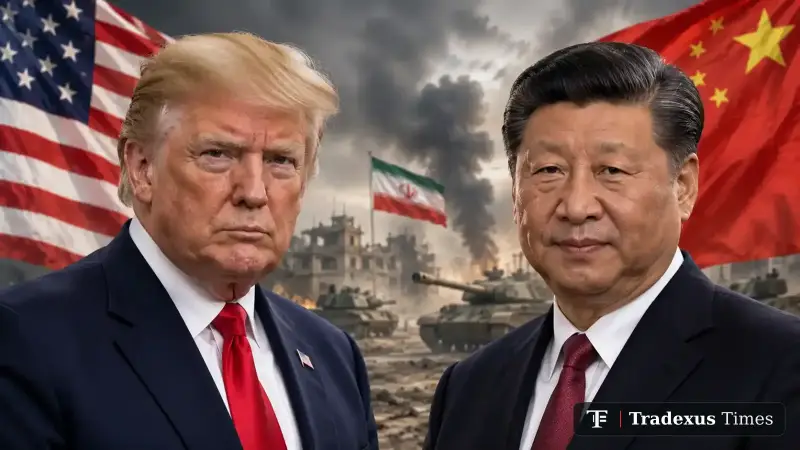
The United States has reportedly asked China to use its diplomatic and economic influence over Iran to help bring the ongoing war to an end, opening another channel for diplomatic efforts between Washington and Tehran.
According to The Washington Post, US Treasury Secretary Scott Bessent, with the backing of President Donald Trump, approached Beijing and requested that Chinese officials use their relationship with Tehran to encourage an end to the conflict.

A US official familiar with the discussions said China had already delivered Washington's message to Iranian officials. However, there has been no public confirmation that Tehran has accepted the request or agreed to specific negotiations.
China's involvement could be significant because of its economic and diplomatic relationship with Iran. As a major buyer of Iranian oil, Beijing maintains channels of communication with Tehran that Washington does not have directly.
The report also indicates that Vice President JD Vance has been playing a central role in the administration's diplomatic efforts. These efforts reportedly include a conciliatory letter sent last month to Iranian security official Mohsen Rezaei.
The diplomatic initiative comes as Washington and Tehran face continued tensions and uncertainty over the future of the conflict. Qatari officials have also been involved in communication between the two sides, attempting to facilitate dialogue and reduce tensions.
The issue is expected to feature prominently during the upcoming meeting between Trump and Chinese President Xi Jinping on November 18 in Shenzhen, China.
The discussions could provide an opportunity for Washington to seek greater Chinese involvement in diplomatic efforts, although Beijing has not publicly confirmed that it will take on a formal mediation role.
For global markets, any meaningful progress toward ending the conflict could have important implications. Reduced geopolitical tensions could ease concerns surrounding energy supplies, particularly oil shipments through the Strait of Hormuz, while potentially improving investor sentiment across global financial markets.
Nevertheless, China's delivery of Washington's message should not be interpreted as evidence of an agreement or an imminent ceasefire. The next steps will depend on Tehran's response and whether diplomatic discussions can produce concrete progress.