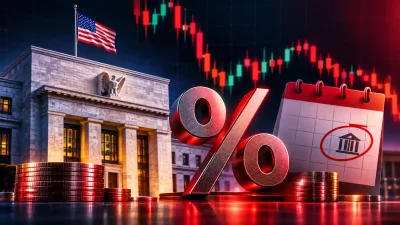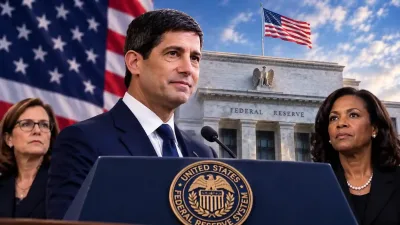

The latest U.S. employment report has strengthened expectations that the Federal Reserve could raise interest rates at its December meeting, reversing a decline in rate-hike bets following Thursday’s sell-off in artificial intelligence stocks.
Market expectations shifted sharply after employers added 165,000 jobs in October, more than twice the number economists had forecast. According to Polymarket, the probability of a quarter-point rate increase at the Fed’s December 9 meeting climbed to approximately 78%, recovering from around 64% on Thursday.

The October report showed strength across several key indicators. The unemployment rate edged down to 4.1%, while employment figures for August and September were revised upward by a combined 84,000 jobs. Average hourly earnings also increased by 0.4% during the month, bringing annual wage growth to 3.1%.
The stronger labor market is encouraging for job seekers, but it could complicate the outlook for investors hoping the Federal Reserve would cut rates to support financial markets.
With employment showing resilience, policymakers may have more room to focus on controlling inflation. Economists also argue that the U.S. economy now requires fewer new jobs each month to maintain stability because of demographic changes, including the retirement of baby boomers and slower immigration.
The technology sector, however, remains a notable weak spot. Employment in the information sector has declined from its November 2022 peak, around the time ChatGPT was launched. Meanwhile, healthcare and social assistance have accounted for a substantial share of job creation over the past year.
Some economists believe a decline in stock prices could also help reduce inflationary pressure. Wealthier households have benefited from rising equity markets and increased spending, a phenomenon known as the wealth effect. A weaker stock market could reduce that spending and ease demand.
However, other analysts argue that targeted regulation of the artificial intelligence industry could address some economic pressures without requiring the Federal Reserve to raise rates aggressively.
The next U.S. employment report is scheduled for December 4, just days before the Fed's December 8–9 policy meeting. Another strong report could reinforce expectations of a rate increase, while weaker employment data could shift market sentiment once again.