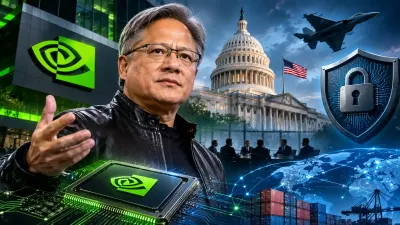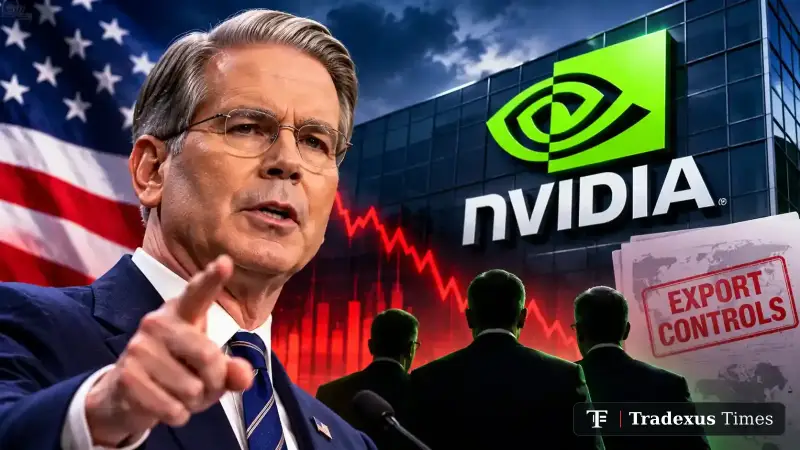
U.S. Treasury Secretary Scott Bessent has called for major changes to Nvidia's leadership, escalating pressure on the semiconductor giant as questions surrounding corporate governance, customer screening and U.S. export-control enforcement converge into a broader political dispute.
Speaking in an interview on November 13, Bessent criticized the Commerce Department's handling of restrictions involving Megaspeed, a Singapore-based entity at the center of the controversy. He said the Treasury, Defense, State and U.S. Trade Representative offices had supported adding the entity to the government's restricted exporter list, while Commerce had delayed the decision.
The disagreement highlights tensions within the U.S. administration over how aggressively sensitive semiconductor technology should be protected from potentially unauthorized transfers. As the agency responsible for administering export controls, Commerce's handling of the case has become a focal point of scrutiny, particularly given the reported support for restrictions across several other government departments.
Bessent's criticism also extends beyond regulatory coordination. His remarks raise questions about Nvidia's internal compliance framework, particularly the company's ability to identify customers, assess ownership structures and determine the ultimate destinations of advanced computing hardware. His call for closer examination of Nvidia's sales procedures suggests that corporate responsibility and government enforcement are becoming increasingly interconnected in the dispute.
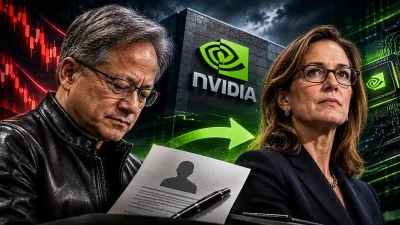
The controversy comes amid an extraordinary leadership transition at Nvidia. Jensen Huang resigned as chief executive on November 12, 2026, ending a 33-year tenure, following allegations involving inappropriate conduct and potential connections to espionage-related activity associated with Megaspeed executives. These claims remain allegations, and Nvidia's board has initiated an internal investigation.
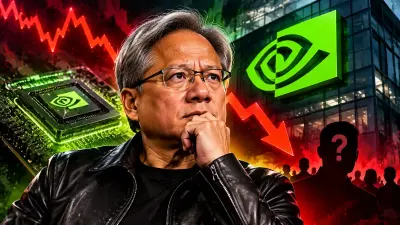
The company has appointed Chief Financial Officer Colette Kress as interim CEO and Harvey C. Jones as board chairman. However, the leadership restructuring has not eliminated uncertainty surrounding the company's governance and compliance practices. Nvidia shares reportedly declined 10% following the announcement of Huang's departure, reflecting the immediate market sensitivity to the disruption at the top of the organization.
For shareholders, the challenge now extends beyond identifying a permanent leadership structure. The board's investigation, the company's response to customer-screening concerns and the possibility of further management changes could all influence confidence in Nvidia's governance. Bessent's intervention adds another dimension by signaling that scrutiny may extend beyond the company's internal decision-making.
The export-control dispute also carries broader implications for the semiconductor industry. Restrictions on advanced chips are a central component of U.S. technology policy, and the government's ability to identify restricted buyers and enforce licensing requirements is critical to controlling access to sensitive computing capabilities. Any indication of weaknesses in customer verification or delays in regulatory action could intensify demands for stricter compliance standards across the sector.
Nvidia therefore faces two connected challenges: restoring confidence in its leadership and demonstrating that its sales and compliance procedures can meet the expectations of U.S. authorities. Whether the current appointments will be sufficient remains uncertain, particularly after the Treasury Secretary publicly questioned the need for deeper leadership changes.
The next critical developments will be the findings of Nvidia's internal investigation, the response from the Commerce Department regarding Megaspeed and whether the company introduces additional changes to its governance and customer-screening framework. Until those questions become clearer, the dispute is likely to remain a source of uncertainty for Nvidia and the broader advanced-chip supply chain.