Public Key vs Private Key: Understanding the Foundations of Modern Cryptography
Public and private keys are the foundation of modern digital security. Discover how these two cryptographic keys work together to protect sensitive information, secure online communication, verify digital identities, and prevent unauthorized access in today's connected world

Key takeaways
- 1. Public and Private Keys Work Together: They form a cryptographic pair that helps secure digital communication and protect sensitive information.
- 2. Public Keys Can Be Shared: A public key is openly distributed and is commonly used to encrypt information and verify digital signatures.
- 3. Private Keys Must Remain Secret: A private key is used to decrypt encrypted messages and create digital signatures. Protecting it is essential for security.
- 4. They Have Real-World Applications: Public-key cryptography is widely used in HTTPS, email encryption, digital certificates, digital signatures, and cryptocurrencies.
- 5. Proper Key Management Is Essential: Secure storage, identity verification, strong authentication, and regular security updates help prevent unauthorized access and protect digital information.
Introduction
In today's digital world, information security has become one of the most important aspects of technology. Every day, millions of people send emails, make online payments, access websites, and share personal information through the internet. Protecting this information from hackers and unauthorized access requires powerful security methods. One of the most important technologies used to achieve this goal is public-key cryptography, also known as asymmetric cryptography. This system uses two mathematically related keys: a public key and a private key. Although these keys work together, they have different purposes and responsibilities. Understanding the difference between them is essential for anyone interested in cybersecurity, computer networks, or digital communication.[1]
 Watch on our channelPublic Key vs Private Key
What Is a Public Key?
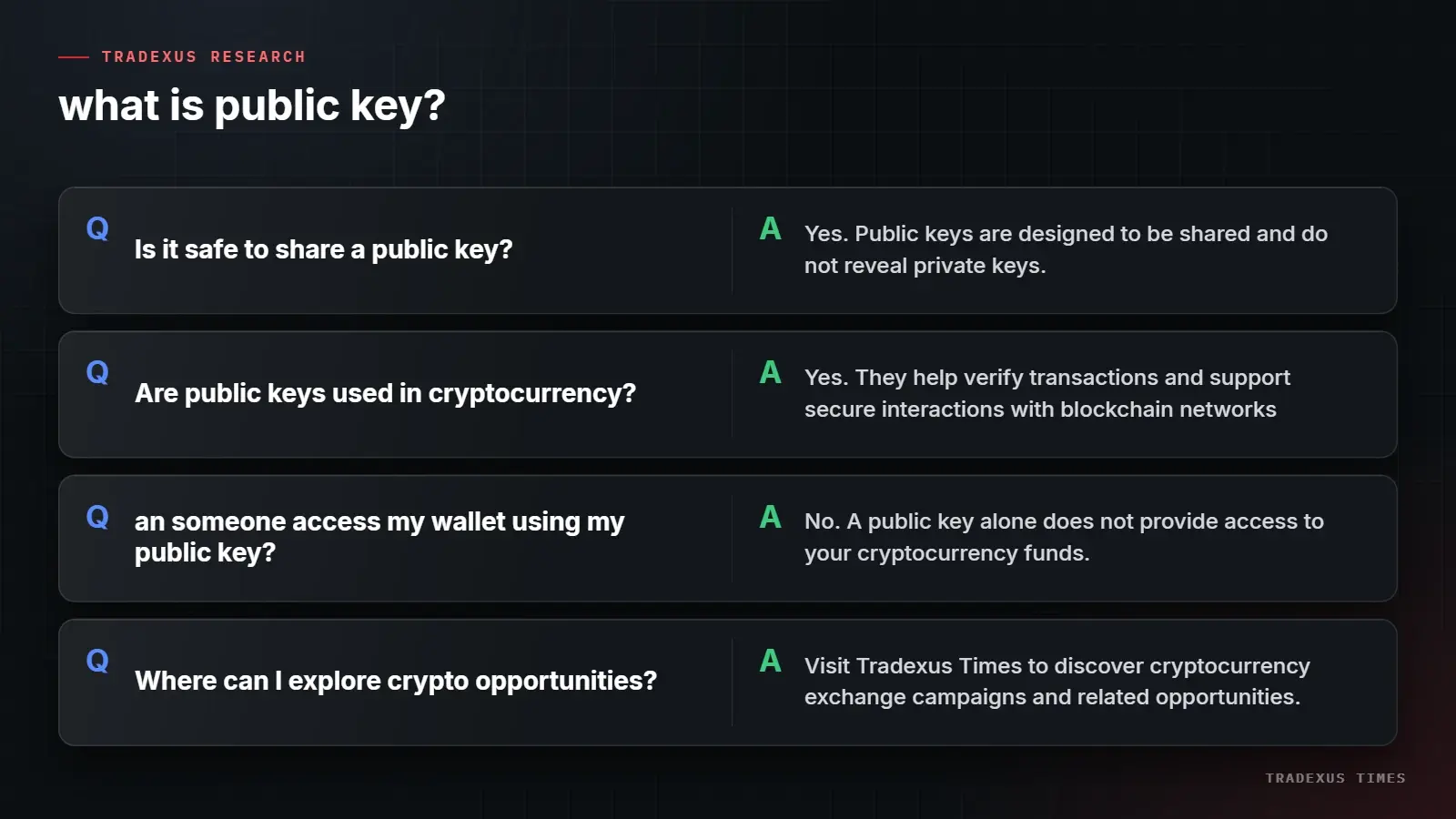
A public key is a cryptographic key that can be shared openly with other people or organizations. Its main purpose is to help secure communication and verify digital identities. For example, when someone wants to send an encrypted message to another person, they can use the recipient's public key to encrypt the information. The encrypted message can then travel across the internet without revealing its original content. The public key is designed to be distributed, so sharing it does not normally create a security risk. However, it is important to make sure that the public key actually belongs to the intended recipient. Otherwise, an attacker could provide a false public key and potentially intercept confidential information.[1]
What Is a Private Key?
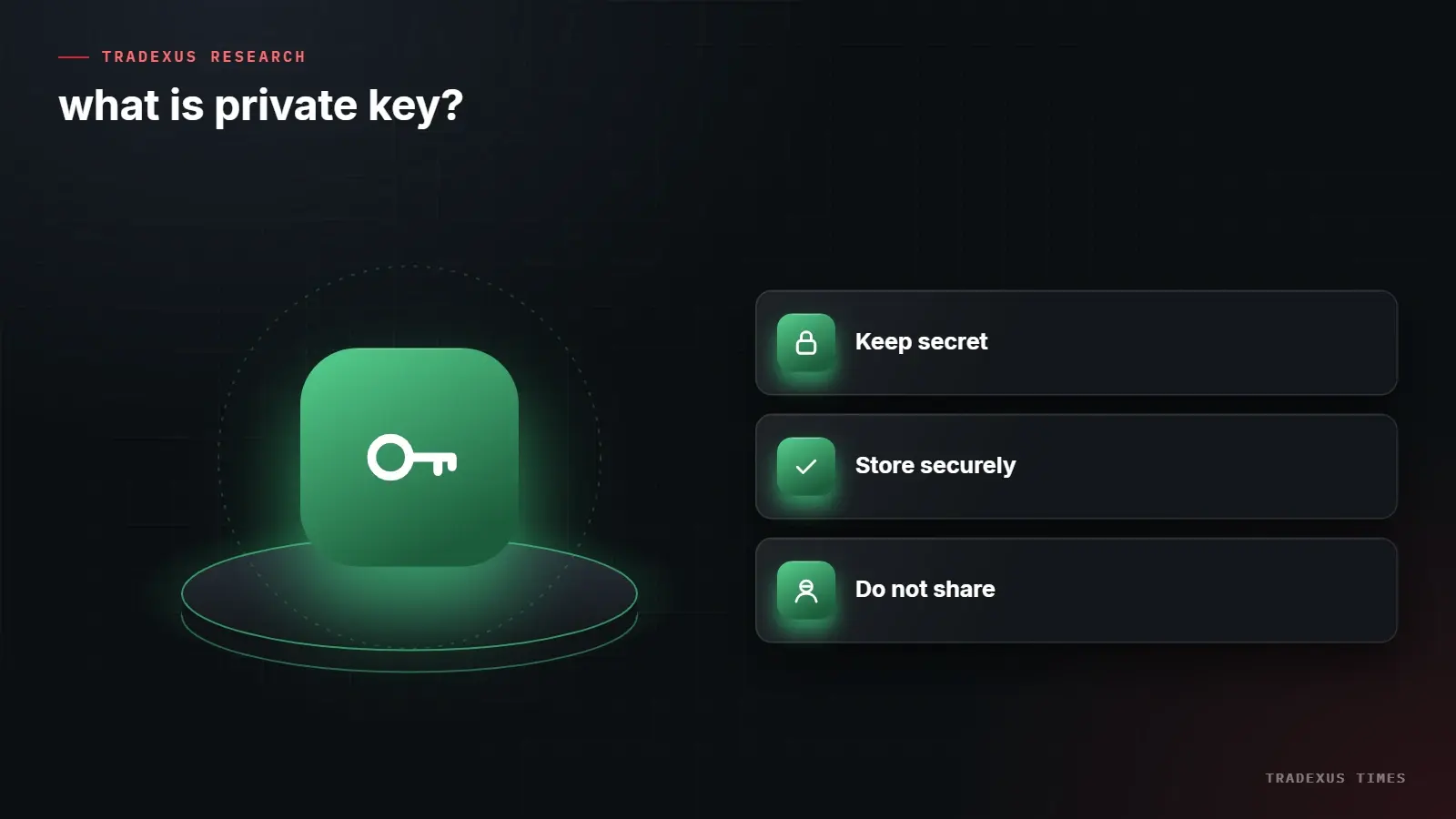
A private key is the secret part of a cryptographic key pair. Unlike a public key, it must be protected and accessible only to its authorized owner. In encryption systems, the private key is commonly used to decrypt information that was encrypted with the corresponding public key. It is also used to create digital signatures, which help prove that a message or document was approved by the holder of that key. If an attacker obtains someone's private key, they may be able to read protected information, impersonate the owner, or create fraudulent digital signatures. For this reason, private keys should be stored securely, protected with appropriate access controls, and never shared through unsafe communication channels.[2]
How Do Public and Private Keys Work Together?
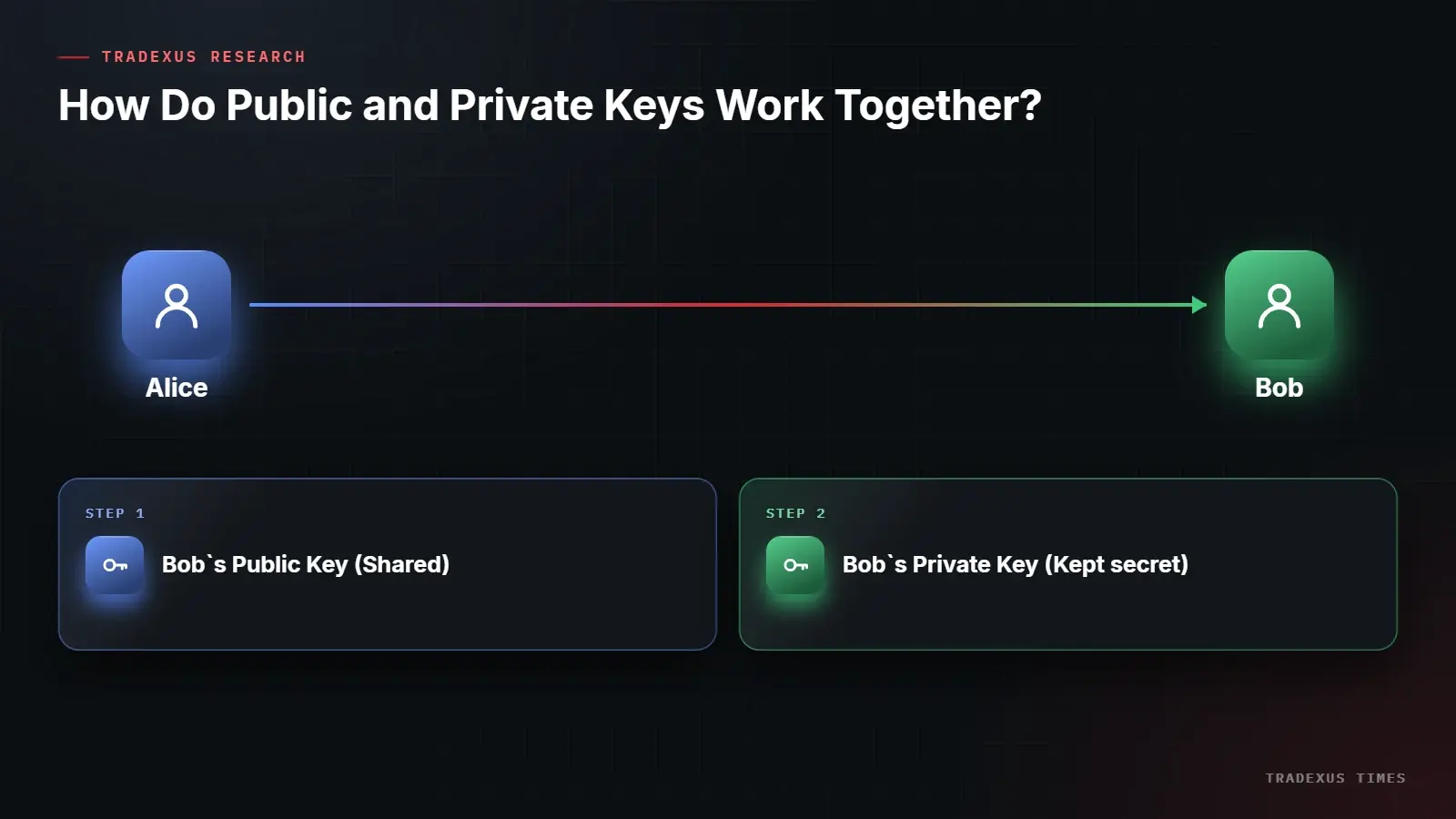
Public and private keys work as a pair through mathematical relationships. Consider a simple example: Alice wants to send a confidential message to Bob. First, Bob creates a public key and a private key. He shares his public key with Alice but keeps his private key secret. Alice uses Bob's public key to encrypt her message and sends the resulting encrypted information over the internet. When Bob receives it, he uses his private key to decrypt the message and recover the original content. Even if another person intercepts the encrypted message, that person should not be able to read it without the correct private key. This process helps protect confidentiality during digital communication. In real-world systems, public-key cryptography is often combined with faster symmetric encryption to protect large amounts of data efficiently.[3]
The Main Differences Between Public Key and Private Key
The main difference between these two keys is their level of secrecy and their specific functions. A public key can be distributed to other users, while a private key must remain confidential. In common encryption scenarios, the public key is used to encrypt information, and the private key is used to decrypt it. In digital signature systems, the process works differently: the private key creates the signature, while the corresponding public key verifies it. Another important difference is ownership and control. The public key is intended to be accessible to other people, but the private key must remain under the control of its authorized owner. Both keys are essential because neither one alone provides all the security functions of the complete system.[4]
| Private Key | Public Key |
|---|---|
| Must be kept secret | Can be shared |
| Used for decryption (or signing) | Used for encryption (or verification) |
| Creates signatures | Verifies signatures |
| Under owner's control | Publicly accessible |
Real-World Applications of Public and Private Keys
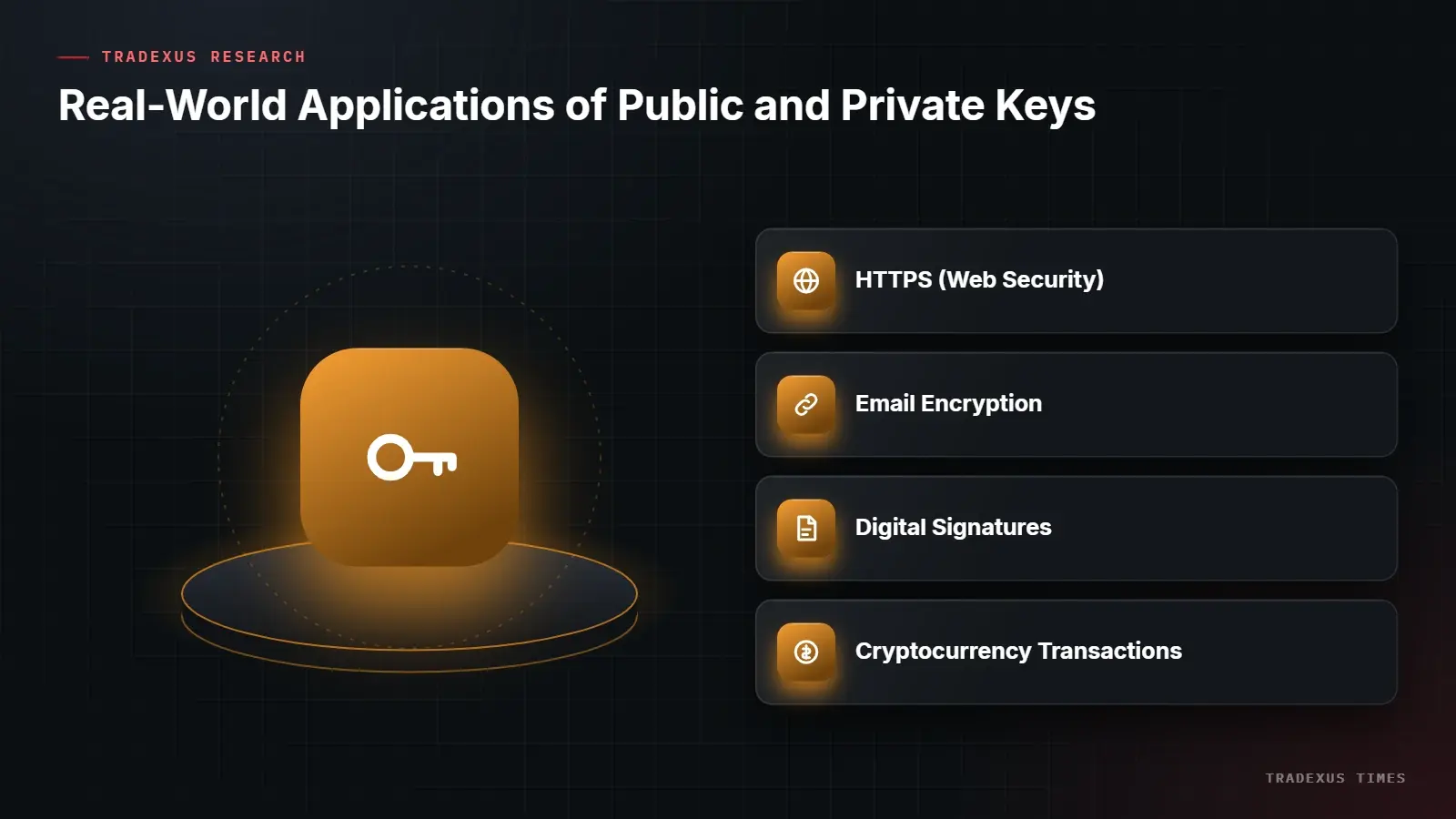
Public-key cryptography is widely used in modern technology. One common example is HTTPS, which helps protect information exchanged between web browsers and websites. Public-key techniques also support digital certificates, which help users and systems verify the identity of websites and other services. Another important application is email encryption, where cryptographic keys can help protect private messages. Digital signatures are also used to verify electronic documents, software packages, and other digital information. In cryptocurrency systems, private keys are especially important because they allow users to authorize transactions and prove control over digital assets. These examples demonstrate that public and private keys are not simply theoretical concepts; they are practical tools that support security across many areas of everyday digital life.[5]
Security Risks and Best Practices
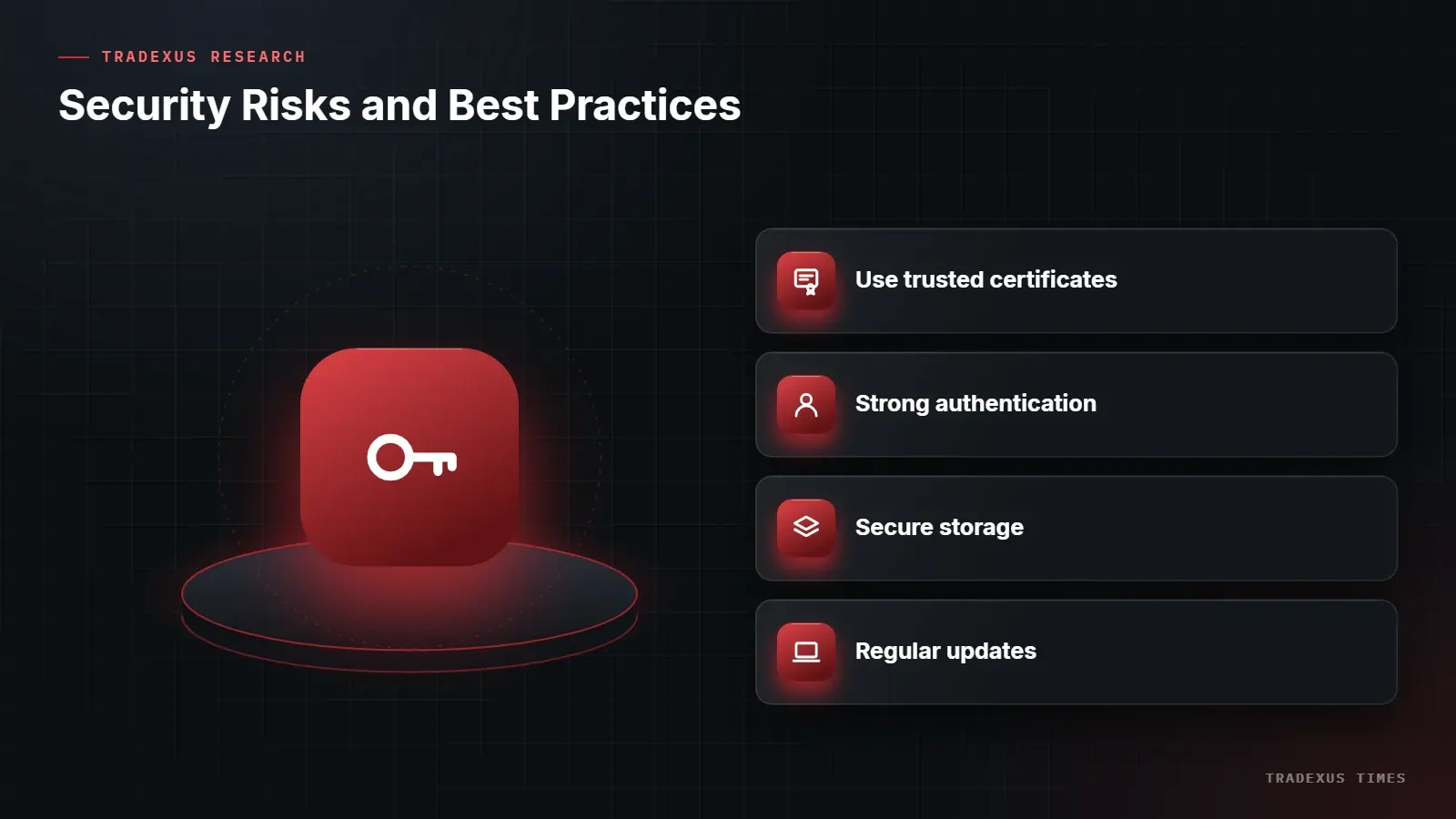
Although public-key cryptography provides strong security, it is not completely free from risks. One of the biggest threats is private-key theft. If someone gains unauthorized access to a private key, they may be able to impersonate its owner or access protected resources. Another risk involves fake or untrusted public keys. If users cannot verify the identity associated with a public key, they may accidentally communicate securely with an attacker instead of the intended recipient. To reduce these risks, organizations and individuals should use trusted digital certificates, strong authentication, secure key storage, and regular security updates. Private keys should also be backed up carefully when appropriate and replaced if they are suspected of being compromised. Good key management is just as important as choosing a strong cryptographic algorithm.
Conclusion
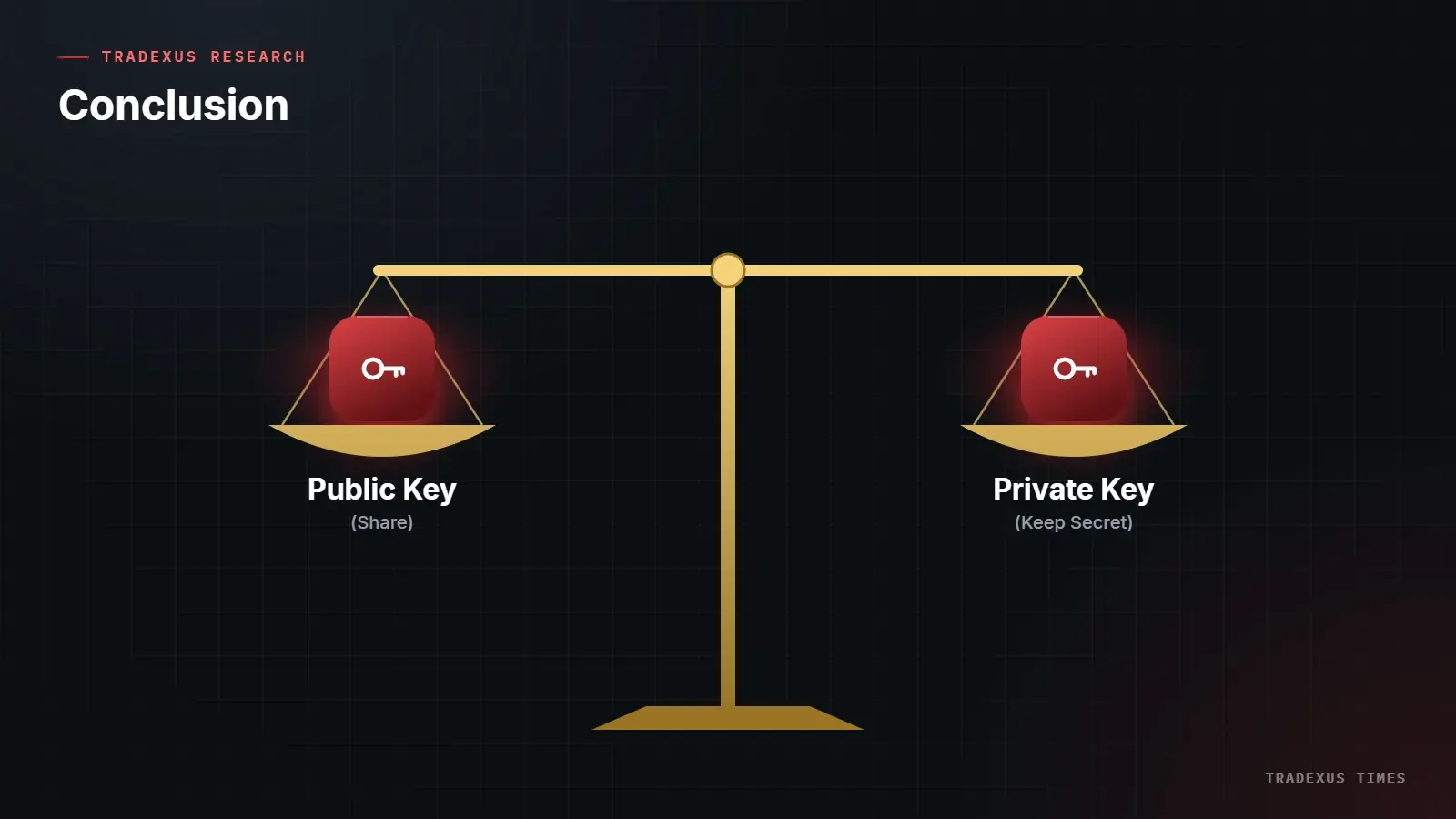
In conclusion, public keys and private keys are two essential components of modern cryptography. Although they have different functions, they work together to protect information, establish trust, and support secure digital communication. The public key can be shared with others, while the private key must remain secret and under the control of its authorized owner. Together, they support encryption, digital signatures, authentication, and many other important security processes. As technology continues to develop and more activities move online, understanding how these keys work will remain important for individuals, businesses, and cybersecurity professionals. Ultimately, protecting the private key and verifying the authenticity of public keys are fundamental steps toward creating a safer digital environment.
Sources
- csrc.nist.gov/glossary/term/public_key_cryptography
- csrc.nist.gov/glossary/term/private_key
- ibm.com/think/topics/public-key-encryption
- csrc.nist.gov/glossary/term/Public_and_Private_Key
- ibm.com/think/topics/asymmetric-encryption
Education only — not financial advice. Figures are as of the dates given in the text and its sources. Our editorial policy · Report an error