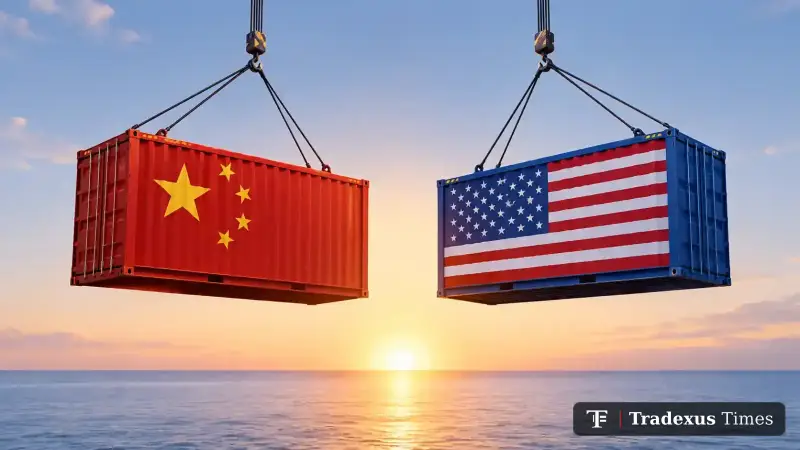
China has extended the suspension of its additional 24% tariff on US imports and special port fees targeting US-linked vessels, maintaining a temporary easing of trade restrictions between the world's two largest economies. The latest measures provide another two months of tariff relief while preserving a 10% additional tariff on US goods, signaling that Beijing intends to maintain the current trade arrangement without fully dismantling its retaliatory measures.
The tariff suspension will remain in effect for two months from 1:01 p.m. on Tuesday, while the suspension of special port fees on US-linked ships has been extended until January 10, 2027, according to separate government announcements. China will also continue suspending its investigation into shipping and shipbuilding supply chain security, keeping another potential source of bilateral trade friction on hold.

The decision reflects the continued implementation of understandings reached during the September Washington summit between the Chinese and US leaders. Both sides have proposed a reciprocal tariff-reduction package valued at approximately $60 billion, including around $17 billion in US agricultural products that China imported during 2024. However, the broader arrangement has yet to be finalized, leaving the latest extensions as temporary measures rather than evidence of a comprehensive trade settlement.
For international markets, the distinction between suspending tariffs and removing them remains important. China's decision reduces the immediate risk of additional trade costs for US exporters and shipping operators, potentially supporting more predictable commercial conditions. However, the continued 10% tariff demonstrates that significant restrictions remain in place, while the two-month extension limits the visibility businesses have over the longer-term trade environment.
Washington's future tariff policy represents another source of uncertainty. Beijing has acknowledged US statements indicating that Section 301 tariffs could replace duties imposed under the International Emergency Economic Powers Act, which have been invalidated by judicial rulings. China has warned that it will assess subsequent US measures and adjust its own tariff countermeasures when appropriate.
This introduces an important qualification to the current easing of tensions: the continuation of tariff relief depends partly on how both governments implement their respective commitments. A change in the legal or policy framework governing US tariffs could prompt Beijing to reconsider its existing response, potentially reversing some of the progress achieved through the latest extensions.
The economic implications extend beyond the immediate bilateral relationship. Agricultural trade, maritime transportation and shipping infrastructure are all directly connected to the suspended measures. Maintaining the current arrangements could help reduce uncertainty for businesses operating across these sectors, while a breakdown in negotiations could reintroduce costs and operational complications into already sensitive supply chains.
For financial markets, the development offers a degree of near-term reassurance but does not establish a durable resolution to US-China trade tensions. Reduced tariff pressure could support sentiment toward global trade and internationally exposed industries, although the actual impact will depend on whether the proposed reciprocal reductions move toward implementation.
The next critical factor will be Washington's treatment of its tariff framework and whether both governments can translate the proposed $60 billion package into a finalized agreement. Until then, China's decision represents an extension of the existing trade truce rather than a fundamental shift in the economic relationship. The balance between temporary cooperation and the possibility of renewed countermeasures remains central to the outlook.