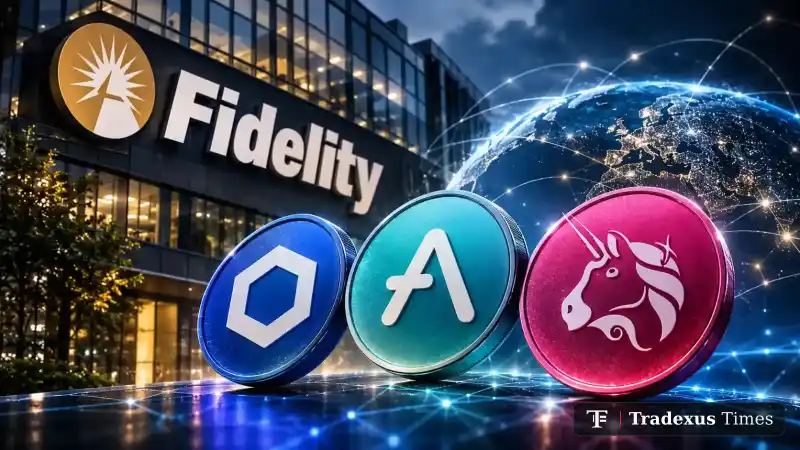
Fidelity Investments has expanded its cryptocurrency trading offering by adding three digital assets, (LINK), (AAVE) and (UNI), giving eligible U.S. customers access to a broader range of crypto markets.
The new additions are also available to certain cryptocurrency retirement accounts, increasing the number of supported digital assets on the platform to eight. The expansion represents another step in Fidelity's efforts to broaden access to digital assets through its established investment infrastructure.
In this story
3 assets


The selection of LINK, AAVE and UNI is notable because the three assets are closely associated with different segments of the decentralized finance ecosystem. Chainlink provides blockchain oracle infrastructure, Aave operates in decentralized lending markets, and Uniswap is a major decentralized exchange protocol. Their inclusion extends the platform's coverage beyond a narrower selection of established cryptocurrencies.
For Fidelity, expanding supported assets could strengthen its position in the digital-asset investment market by giving eligible customers additional ways to access blockchain-related projects without relying exclusively on specialized cryptocurrency platforms.
The inclusion of certain retirement accounts is particularly relevant. It broadens the potential account types through which eligible customers can obtain exposure to these assets, although access remains subject to Fidelity's eligibility requirements and account restrictions.
From a broader market perspective, the development highlights the gradual expansion of cryptocurrency access through traditional financial institutions. As established asset managers introduce additional digital assets, the boundary between conventional investment services and cryptocurrency markets continues to evolve.
However, broader availability should not be confused with increased institutional investment or guaranteed demand for the newly supported tokens. The immediate significance lies in improved access and distribution rather than evidence of new capital inflows.
The next factor to watch is whether Fidelity continues expanding its supported cryptocurrency selection and whether additional traditional investment platforms follow a similar approach. Wider distribution could improve market accessibility for established blockchain projects, while actual adoption will depend on customer demand and the continued development of their underlying ecosystems.